DimaTOP Awards 2025 - Best of Moroccan Hip-Hop
The winners of the inaugural 2025 DimaTOP Awards were chosen through a three-tiered evaluation process. Throughout the year, we turned to our community, hosting monthly polls on Instagram where our followers voted for their favorite songs, projects, rappers and producers, providing us with real-time insight. To add professional depth, we consulted a panel of the most active and influential Moroccan rap critics*, who provided their definitive end-of-year Top 10 lists. Finally, wee synthesized these findings with our own year-long observations of the scene’s most impactful events and releases. By analyzing this wealth of data, we identified the artists and projects who were consistently ranked and praised across all platforms. To ensure these honors carry the weight they deserve, each category includes a detailed breakdown of the history and impact behind the win, explaining exactly why these names deserve the title.
*We asked eleven rap critics about their top 10 songs of 2025, these critics are: Bennou16, BarzFact, Rap & Religions, Zakaria Aguib, Beebop 3.14, Mehditations, Amine Dionysus, Mohamed El-Hani, 3ab9or, Hamza Demigod, and Simohamed F’Rap.
Upcoming/Underground Rapper of the Year: Obito.Triple3
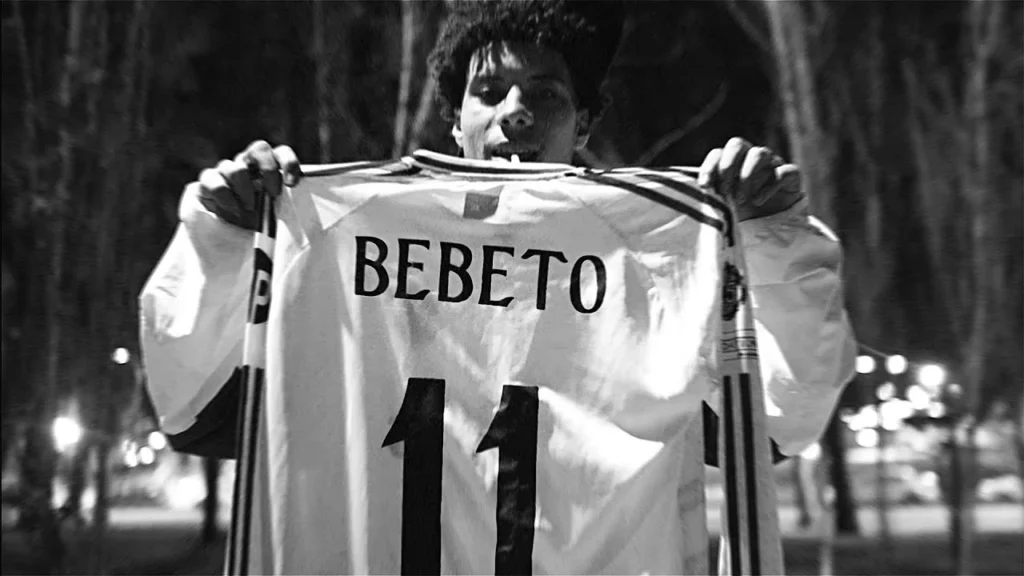
Nominated: Obito.Triple3 (winner), Deimi, Aymane Haqqi, Yorpen, Levy, Jntyyy, Naafri
Obito has emerged as a major discovery for fans and critics alike in 2025. He first commanded attention with his debut EP, Bebetoo, released on May 2. The project features seven tracks produced entirely by Villain, whose dark and ‘dirty’ production provides the perfect backdrop for Obito’s tough delivery. His lyricism is elite, characterized by clever wordplay, genius phrase flips, and dope double entendres. Complementing his sound is a distinct street aesthetic, often described as “msharmal swag”, marked by his signature sports cap and natural hair, marking him as a figure to watch in the industry.
As a member of “Fake Gang,” Obito frequently pays homage to the collective’s late founder, Tarik (known as Nab Fake). In the track “Antony,” he reinforces this connection with the line: “B7ali b7al Tarik, kan7tha bio, bla makeup bla ngafa” (I’m like Tarik, I put it out raw, no makeup, no filters). Obito’s cultural significance was later recognized when he joined the lineup of 40 rappers at the EGREGORE festival to celebrate 40 years of Moroccan hip-hop.
His momentum continued through the summer with the July 17 release of ZETSU, another 7-track collaboration with Villain featuring rappers Abduh, ScriNef, KPV, Oups, M3ks and Khtek. Despite a public rift with fellow Fake Gang member Kira7, Obito’s artistic output has remained top-tier. With his hit “Fama Haja” making multiple “Top 10 of 2025” lists, it is clear that Obito is not only one of the year’s best rappers but is also successfully carrying on Tarik’s legacy.
Biggest Breakthrough of the Year: Shaw
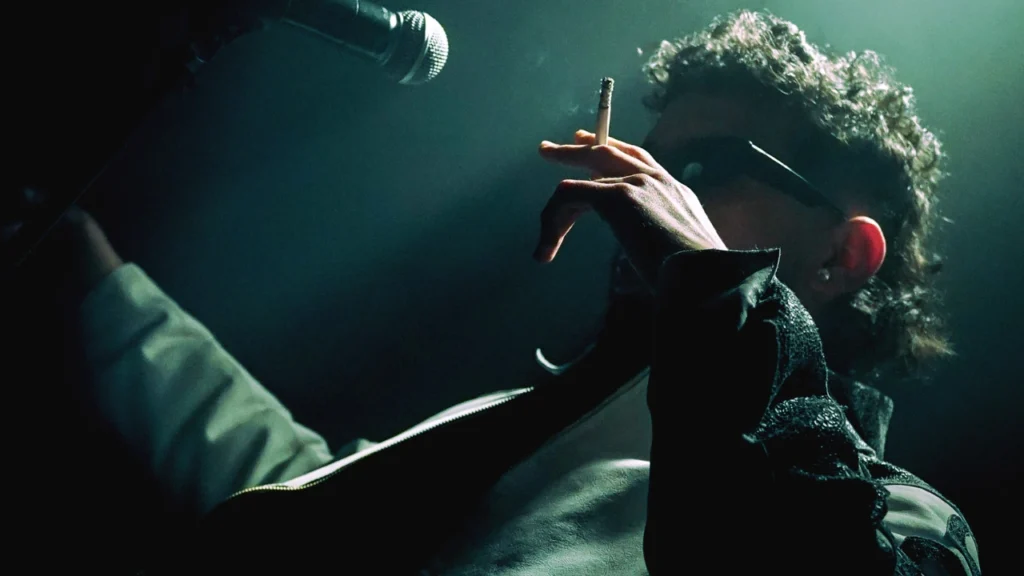
Nominated: Shaw (winner), Najm, Fetah, Obito.Triple3, ValerieBlud, Aujiss, Aymane Haqqi
Shaw has arguably achieved one of the biggest breakthroughs in the history of Moroccan music. Following the August 22 release of the deluxe version of his debut album, BLÉDARD, his career skyrocketed and continued its upward trajectory throughout 2025. With 57.4 million Spotify streams, he ranked the country’s third most-streamed artist. His debut album, BLÉDARD (Deluxe), has become a streaming juggernaut, crossing the 50 million mark behind the strength of “Wallahi” (11.7M streams) and “Babour Lou7” (7.1M streams).
Shaw was the year’s “golden feature.” His appearance on Oldy’s “Taf Taf” (ft. Anys), helped the track rack up 11.8 million streams and a massive 17 million views on YouTube, while his collab on Zakloow’s “Amnésie” (ft. Tagne), drew in 7.6 million streams and 14 million views on YT. Other viral hits that Shaw has been featured on include Hassa1’s “Drahem,” and Bayadis’ “Nghamer” (ft. Manal). Based in France, Shaw has also made waves in the French media circuit, performing “Popstar” and “Pas la Peine” on Planète Rap in May, followed by a performance of “Wallahi” on the DVM channel in June. He further highlighted his presence in the country with a live stage performance at La Place Paris in July.
Beyond the charts, Shaw was a central figure in a generational debate within the genre. After veteran rapper Smallx criticized the “new sound” as not being “real rap”, the two engaged in a public dispute on Instagram. This evolved into a respectable exchange of diss tracks, three from Smallx and two from Shaw. All of these prove that Shaw is the definitive breakout star of the year.
Rapper of the Year: ElGrandeToto
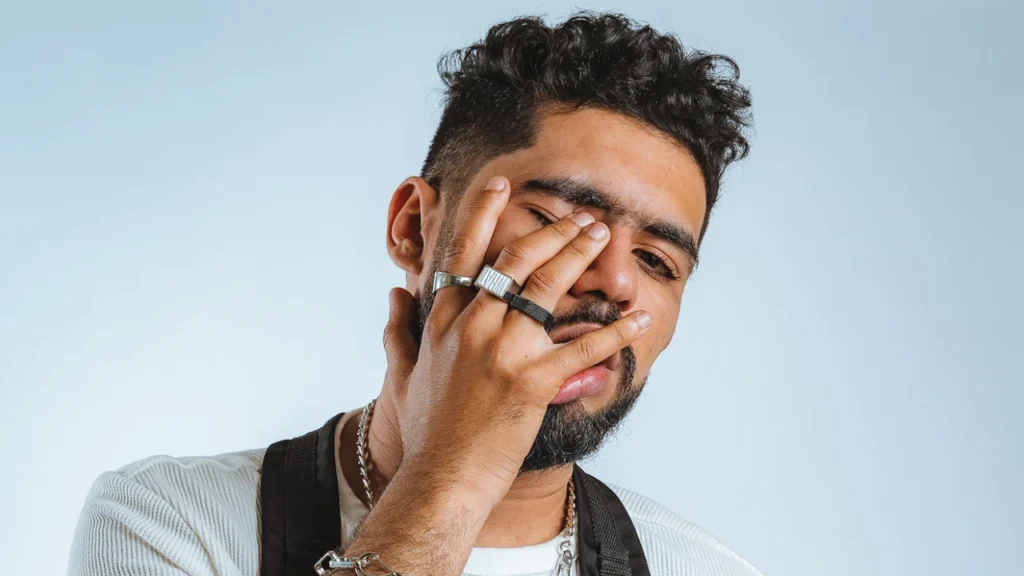
Nominated: ElGrandeToto (winner), L’Morphine, Stormy, Smallx, Lferda, Loun, Raid
ElGrandeToto, once again, proves that he is the undisputed king of the rap scene in 2025. This year, he stands as the #1 rapper in the MENA region, marking his fourth year holding that title (2021, 2023, 2024, and 2025). While he follows Amr Diab as the second most-streamed artist in the region overall, his domestic reign remains untouched: he has been the most-streamed artist in Morocco for every single year since 2020, racking up a staggering 414 million Spotify streams this year alone. His live dominance reached new heights at the Mawazine Festival, where he drew a record-breaking crowd of 300,000 to 400,000 attendees. The performance was a historic television event as well, drawing 5.4 million viewers on the 2M channel, the highest viewership ever for a Mawazine broadcast (according to the tv network 2M).
Musically, Toto remained incredibly prolific, releasing over 15 singles and features throughout the year. He closed out 2025 with a massive December, dropping the hit ‘Boomx3’ on December 19 and the highly anticipated seventh installment of ‘7elmet Ado’ on December 27, where he continues to chronicle his journey from dreamer to global superstar. Both releases saw immediate streaming success; ‘Boomx3’ quickly climbed to the top of the Spotify weekly charts in Morocco and secured the #1 spot on the Official MENA Chart in North Africa. His international appeal was further proven by sold-out shows across Morocco and Europe, as well as five AFRIMA nominations, including Artist of the Year and Album of the Year.
Beyond the music, Toto has embraced his role as a cultural leader. With a massive Instagram following of 4 million, he used his platform to support Gen Z protests and mentored upcoming artists through stage appearances and social media. Notably, he stood in solidarity with the rap community by signing a petition for the release of fellow rapper PAUSE, who was detained for his lyrics. All these achievements unequivocally prove that ElGrandeToto is the Moroccan rapper of the year, and might be Morocco’s first homegrown rap superstar.
Album of the Year: Therapy
Nominated: Therapy by Loun (winner), 101 by 7ari & Ramoon, B4 by Mons, Alha9i9a by Dollypran, Symphony IX by Zakloow, Al-Sahl Al-Mumtani’ by Creepy T. Cannibals, Seto Kaiba by Kira7
Following his debut album L&M (2021) and the Apollo EP (2024), Therapy marks Loun’s evolution into a mature and thoughtful rapper. Self-released on August 30, Loun’s 15-track Therapy is a feel-good project that stands as one of the most significant rap albums of recent years. Featuring collaborations with American-Moroccan rapper YP, Moroccan rapper Damost and rapper-singer Raste, and Algerian singer Fares LUNN, the project is backed by high-tier production from Elys, Khazzi, Robicho, and Showtime. Unlike the genre’s typical grit, Therapy is defined by an upbeat tempo and positive energy. Loun uses the project to share life lessons rooted in a positive mindset and Islamic teachings, while also providing crucial clarity on mental health.
The intro, “24 Karat,” sets the tone immediately. Loun offers mature wisdom with the line “kanjiboha fl39l mli kantab3o l9albna” (we bring trouble to our minds when we follow our hearts), advising listeners on the importance of logic over raw emotions. He also tackles social stigma directly, stating “Bipolar ga3 makat3ni crazy” (Bipolar doesn’t mean crazy), and integrates faith through lyrics that mirror the Hadith regarding repentance: “God lfou9, followih, khta2 o toub…” (God is above, follow Him; sin and repent…).
Transitioning from a years-long struggle with depression, Loun has turned his pain into a “chill” and cohesive listening experience. From the hustle-centric “Hadra Ri Kolha” and “Ntaya Khouya”, to romantic ballads like “Only Me” and “Khaliha Ela Lah”, the album remains fresh through diverse flows and deliveries. Critics have praised the project, with renowned music journalist Danny Hajjar including it among his best of the year.
EP of the Year: Omega
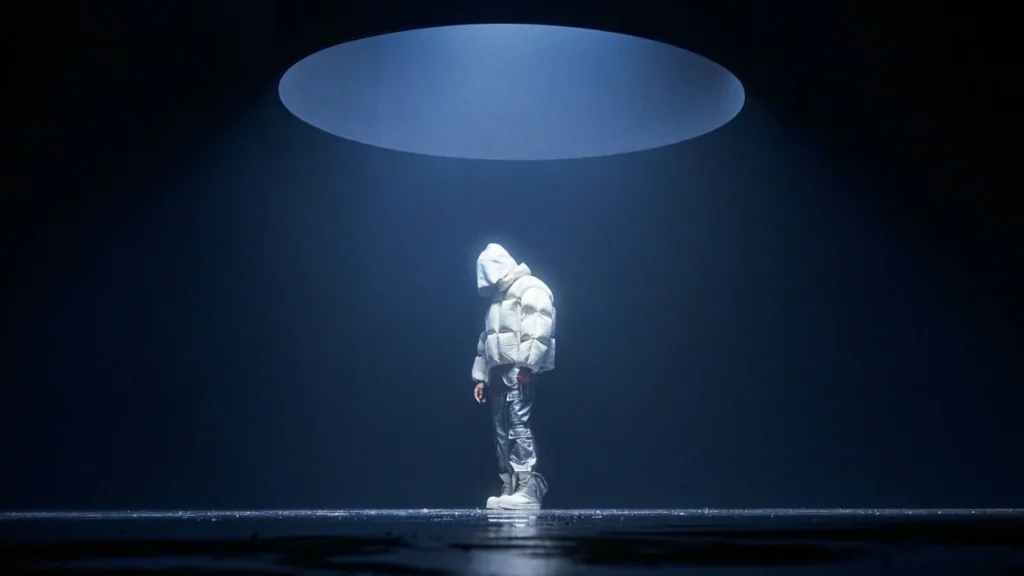
Nominated: Omega by Stormy (winner), U by Najm, Tinnitus by Damost, The Backstory of Galilee by Aymane Haqqi, Bebetoo by Obito.Triple3, TPS by Dizzy DROS, Nafida by Smallx & Saib
Stormy began the year with a bold, zero-promotion surprise release on January 6th. The 6-track solo project, Omega, was accompanied by a cinematic series of music videos that weave a single narrative about fate and destiny, following three childhood friends as they grow into vastly different lives, from professional boxing to the drug trade. The project opens with a poignant homage to Moroccan rap icons Casa Crew; the track “Ka3i” (Angry) serves as a tribute to their classic “Rani Ka3i” (I am Angry). In an interview with Hit Radio, Stormy explained that the song reflects the reality that he and many Moroccans remain “angry” at the same social conditions the group critiqued over a decade ago.
Musically, Omega is incredibly diverse, blending drill, Brazilian funk, and afrobeats. Stormy showcases his range as both a rapper and a singer, utilizing elite wordplay and metaphors. This is most evident in the hit “Pirate” (14M+ streams, 12M+ views), which explores deep themes of religion and atheism. Though it functions as a high-energy banger, the lyrics tackle heavy subjects like the purpose of existence, challenging listeners to look past the surface. Lines like “Sahbi, mabrok bay3ok l3jal, s7ablik jina l had denya ghi 3la zho ta yjina l ajal?” (Bro, congrats, you’ve been tricked! Do you think we were put on this earth just for fun until our time is up?) reveal a profound philosophical layer beneath the infectious beat.
Stormy finished the year as the second most-streamed artist in Morocco, with “Pirate” ranking as the third most-streamed song. While this was a highly competitive year for EPs, Omega stands as the year’s finest.
Mixtape of the Year: MC3
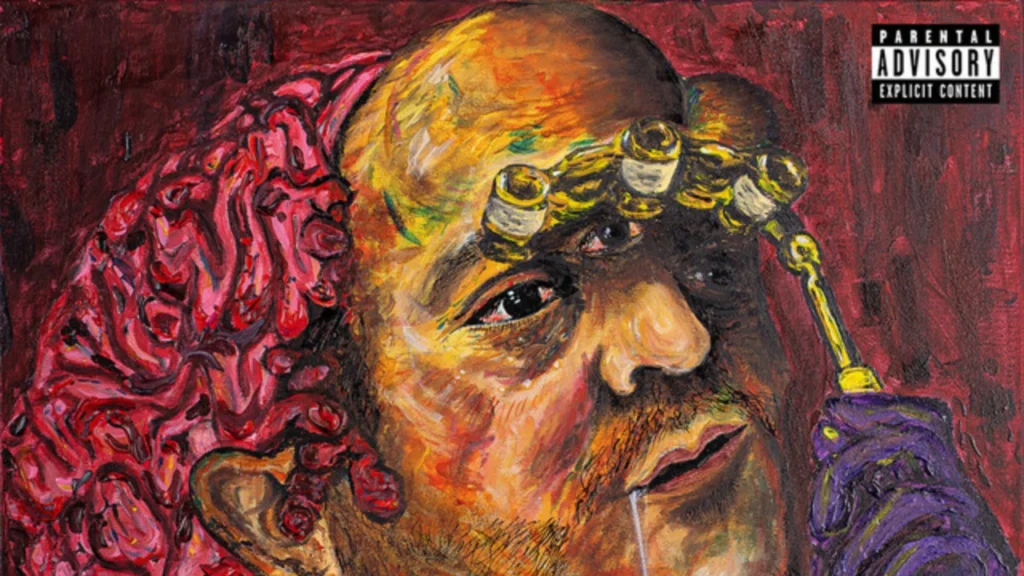
Nominated: MC3 by L’Morphine (winner), Bala w Fass by Kartman, Plan B by Lferda, Molno Jorjo Furelise, Janvier by Ot Sygma, Lbarzakh by Al Nasser, Double Helix by Vira & Abduh
On September 11, the veteran lyricist L’Morphine released MC3 (Mo3owa9 Chaytlo 39el), a 16-track mixtape featuring seven Moroccan guest artists: Furelise, Netro, Deimi, Aboy26, ValerieBlud, Mehdi Lekok, and Shinigami. The most shocking collaboration was the return of Netro, a former member of L’Morphine’s original group, Piraha Labo. Reunited for the first time in over a decade, dating back to L’Morphine’s “M-Psy” era. Netro broke his long silence with a surprise acapella verse that thrilled longtime fans.
MC3 earned immense critical acclaim, with tracks like “Ohio,” “La Blonde w La Brune,” “Machu Picchu,” “Sinine,” “Rewind,” and “Toblerone” all appearing on various critics’ “Top 10 of 2025” lists. Beyond the mixtape, L’Morphine continued his long-running series with “L’Morphiniya 35” and delivered a standout feature on Clemando’s well-received single, “Fundo.” Ranking as the 8th most-streamed artist in Morocco, his year was capped off by historic live appearances, including his debut at Mawazine and his participation in the EGREGORE festival, which celebrated 40 years of Moroccan hip-hop.
With a career spanning two decades, dating back to his beginnings between 2004 and 2006, L’Morphine is more relevant today than ever before. He has achieved a rare longevity in the industry, expanding his presence through a heavy schedule of live shows, high-profile podcast appearances, and even unexpected brand collaborations, a move many longtime fans once thought unlikely for the underground icon. He serves as a blueprint for artistic evolution, maintaining his core identity as a pioneer of complex lyricism while seamlessly adapting to the modern soundscape. By integrating autotune and exploring genres like trap, drill, and melodic rap alongside a new generation of artists, L’Morphine has proven that staying true to one’s roots does not mean standing still.
Producer of the Year: Ramoon
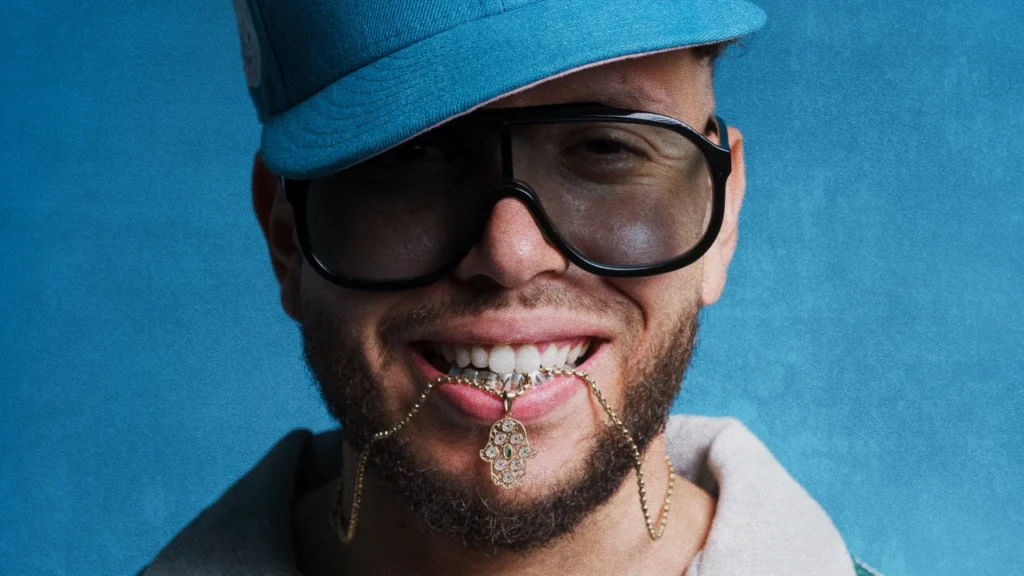
Nominated: Ramoon (winner), S13, Lbandy, Villain, Teekay, Zakloow, Oldygotthesound
Ramoon has pushed the sound of 2025, solidifying his status as Morocco’s most influential producer. His year began with high-profile collaborations, including the January release of “Afus”, an amazigh groove with Moroccan DJ-producer Flomine and the May “Zadfa”, a club-ready alongside German DJ-producer Elexsandom. These tracks set the stage for the June hit “GWB” with 7ari, leading into their outstanding collaborative album, 101.
Released on July 4th through Mass Appeal (in partnership with FyaGang and GreenSeven), 101 is a production marvel. Ramoon navigated through boom bap, amapiano, and experimental sounds, creating a cohesive identity for all 12 tracks, most of which topped the Morocco’s Spotify Weekly Charts. The industry response was positive: the intro “101” was named the 32nd best Arabic song of 2025 by Rolling Stone MENA, while its music video was voted on DimaTOP magazine the best of July. The album, a favorite of critics like Danny Hajjar, boasted a global guest list including Teto (Brazil), Light (Greece/Kenya), and Vacra (France), as well as local icon Draganov, ultimately becoming the 10th most-streamed album in Morocco (2025).
Ramoon capped off his stellar year by launching “Ramoon Live Sessions” in December. This series, featuring rappers Dollypran and Dada as the first two guests, respectively, offers a deeper look at the creative process of music making, blending recording sessions with musical dialogue. Through his versatility and constant innovation, Ramoon earns producer of the year.
Beat/Banger of the Year: "Me"
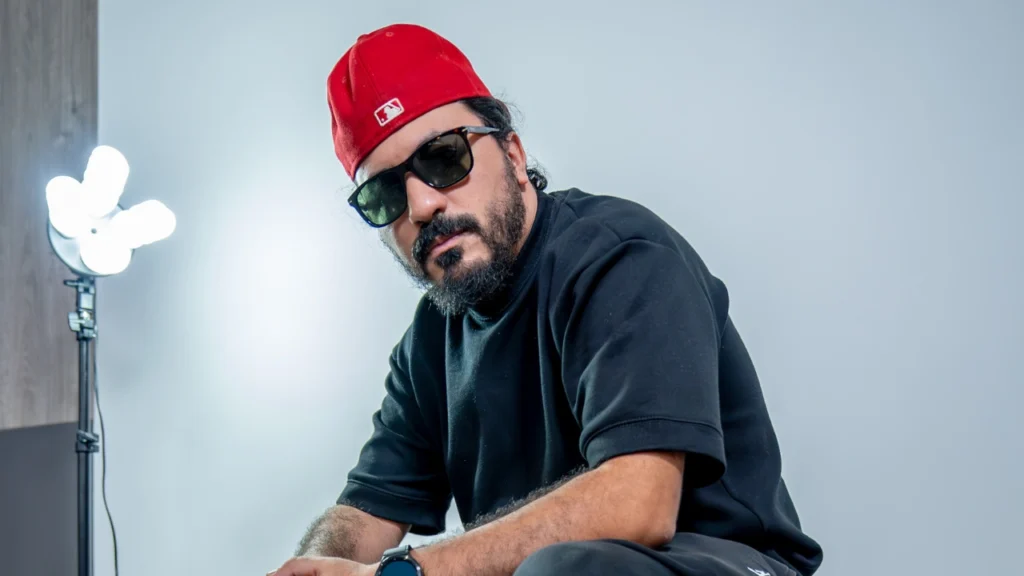
Nominated: “Me” by Lbandy (winner), “Code 13” by S13, “Against the World” by KB, “Fama Haja” by Villain, “Stuntman” by Maxmizacion, “Film” by Zakloow, “Albatros” by Revdor
The year 2025 was a goldmine for production, featuring 10/10 beats like Maxmizacion’s “Stuntman,” Revdor’s “Albatros,” S13’s “Code 13,” and Babyboi’s “VFC.” However, Lbandy’s “Me” stands out as the best beat of the year. A standout single from Damost’s debut EP, Tinnitus, “Me” is the year’s banger. Lbandy’s production, paired with Damost’s flawless delivery and catchy hook, propelled the track onto the Spotify Morocco Weekly charts. The song serves as a self-assured reminder of their arrival, with Damost giving himself flowers for his independent success.
Lbandy, a Meknes native now based in Dubai, served as the executive producer for Tinnitus, producing most of the 13 tracks on the project. Known in the industry as a “one-man production house,” Lbandy brought a wealth of technical knowledge to the boards, utilizing his own custom-developed VST plugins, such as Driller and RetroFX, to sculpt a sound that is his. Though he is a self-described “boombap guy” at heart, on “Me,” he masterfully adapted those foundations into a modern trap bounce, ensuring the low-end punch and high-hat crispness were perfectly balanced through his own meticulous mixing and mastering process.
Since its release on August 22, the EP has been a major point of discussion in the rap community, largely due to its viral collaborations and the sneak disses woven into the tracks. This includes “Awakhir,” featuring the rap icon Don Bigg, whose lyrics sparked a social media firestorm with longtime rival Dizzy DROS. While the back-and-forth didn’t escalate into official diss tracks – a shift from their historic 2016 beef – it dominated the cultural conversation for weeks. Another highlight is “Stuntman” featuring Shobee, which contained sneak disses toward his former partner Smallx, marking another chapter in the saga of the trap pioneers Shayfeen following their 2021 split. The EP also features contributions from rapper-singers Fetah and Quenza.
While the EP as a whole is a vibe, it is “Me” that remains the center of gravity. Due to the sheer catchiness of the production, the intricate layer of melodic synths, and the fact that it became a consensus favorite among our music critics, “Me” is officially crowned the banger of the year.
Producer-Led Project of the Year: Symphony IX
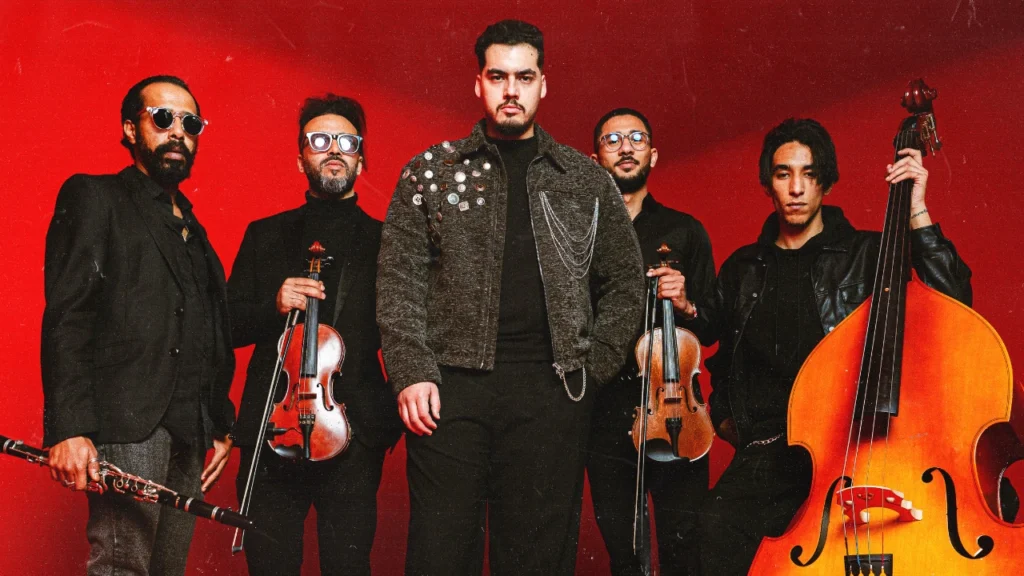
Nominated: Symphony IX by Zakloow (winner), Marigold by Hackler, Plug by S13, 101 by Ramoon & 7ari, Zetsu by Villain & Obito.Triple3, Nafida by Saib & Smallx, TPS by Teekay & DROS
A defining highlight of 2025 was the surge of producers stepping into the spotlight as lead artists. From the solo EPs of Hacklor (Marigold) and S13 (The Plug) to the collaborative visions of Ramoon & 7ari (101), Villian & Obito (Zetsu), Odees & Shr (La Phase De Chute), and Teekay & DROS (TPS), while other producers released singles as the lead like Oldy’s “Taf Taf” featuring Shaw and Anys, and Yo Asel’s “RED” featuring Vira, Gello and Nada, the volume of producer-driven music has been unprecedented. This category was created to recognize the bravery and independence of these creators, but the title belongs to Zakloow for his debut album, Symphony IX.
Released on April 24, Symphony IX is a pioneer in the Moroccan scene, arguably the first producer-led album of its kind to be created entirely within Morocco with a purely local lineup. Zakloow, a singer, producer, and engineer from Salé, curated a massive 16-track odyssey featuring a powerhouse roster. The guest list spans a great lineup of rappers: Kartman, Tagne, Anys, Figoshin, Hassa1, Rubio, Abduh, Kalil, Khtek, Ouenza, Negaphone, to Morap innovators like Nezar, Shaw and 777YM, and soulful vocalists: Lord Mehdi, Milfaya, Lina Guessoussi, Gustavio 51, and The Leila.
True to its name, the album blends grand orchestral arrangements with rai, drill, trap, and Morap. The cinematic intro, Interlude, outro and the tracks “Film” (ft. Abduh) and “Cassetete” (ft. Hassa1 & Figoshin) showcased this fusion brilliantly. Beyond the artistry, the album achieved massive commercial success; the track “Amnesie” (ft. Shaw and Tagne) became a global TikTok sensation and one of the most-streamed songs of the year. For his bold vision and for taking such a significant risk in an emerging industry, Symphony IX is our Best Producer-Led Project of the Year.
Collab/Duo of the Year: "Ain’t No Mercy"
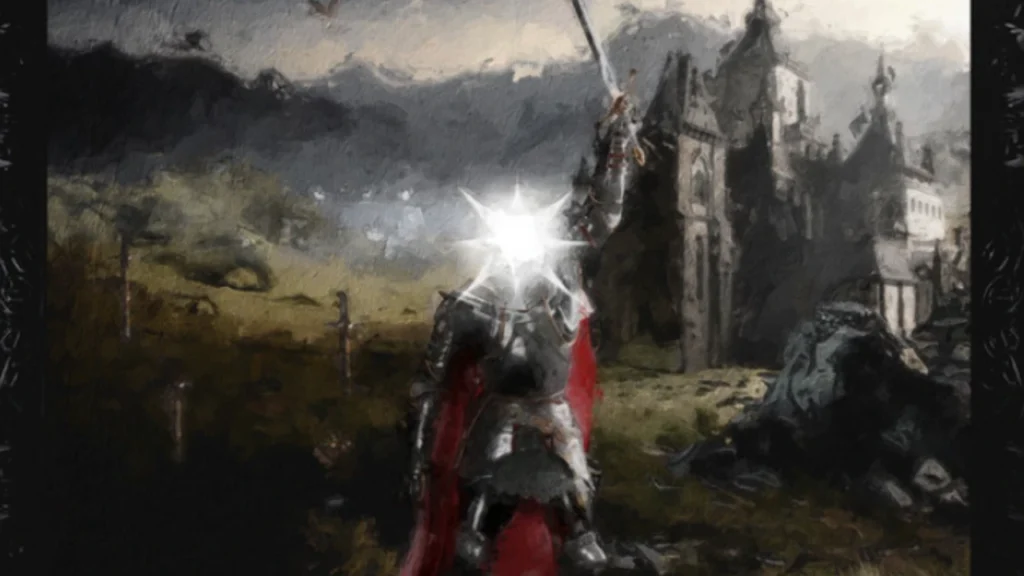
Nominated: “Ain’t no Mercy” by Najm & Fetah (winner), “Stuntman” by Damost & Shobee, “Fundo” by Clemando & L’Morphine, “Jesus is Alive” by Aymane Haqqi & Mao, “Jam Chaud” by Small Naar & Namber & Plum & Otat & Rio27 & Libre Man, “Code 13” by Deimi & Obito.Triple3, “Red” by Vira & Gello
Najm and Fetah have become symbols of the Moroccan “new wave”, a movement defined by creativity, energy, and a relentless DIY spirit. While Najm is now among the biggest names of his generation, his journey began quietly with the (Feb 2024) release of his debut EP, Tayer. It wasn’t until his second project, Sueño Magnifico (Sep 2024), that the tide truly turned. The viral success of the song “Ndam” forced the industry to take notice, not just of his vocals, but of his technical skill as a producer; Najm produced every beat on the EP himself. Listeners and critics were particularly impressed by the seamless transition between the tracks “Rata” to “Lotsoflove,” and the project soon earned high-profile co-signs from established names like Stormy and Manal.
Najm fully claimed his spot in the limelight with his third EP, SAV!OR, in January 2025. This seven-track project, featuring a visionary cover designed by Oujane, proved that his earlier success was no fluke. It was here that he unveiled “Ain’t No Mercy,” a collab with Fetah that perfectly encapsulates the EP’s defiant spirit. Not one to rest on their shoulders, Najm continued his streak by dropping a fourth project in July 2025 titled U. This five-track EP, featuring Manal, Tchubi, and Zamdane, showcased his consistency and dedication. Complementing Najm’s style is Fetah, who has been a consistent fan favorite since his 2023 breakout with the track “L7arb” (ft. Shobee). Since that debut, Fetah has been active, releasing ten singles that helped him make a reputation for delivering powerful, emotionally charged vocals. Tracks like “Go” and “Chifa” went viral. While Najm’s style is characterized by tender and soothing vocals, Fetah provides the grit and weight that balances the sound.
“Ain’t No Mercy” is the perfect marriage of these two distinct styles. Both artists declaring that they have no mercy for obstacles and no room for regrets. Najm opens with a nostalgic nod to his second EP, rapping, “L7alma kant magnifique, chkon ghaydirha mn ghiri” (The dream was magnificent; who would achieve it but me). Fetah follows this momentum, signaling their collective growth with the line, “li fat ra mat, mab9itch 7as bli da3” (The past is dead, I no longer care about what was lost). This dichotomy of vocals creates a fascinating sonic tension. By blending their complementary writing styles and a shared vision of determination over lazy dreams, Najm and Fetah have created the best collaboration of the year.
Song of the Year: "Yasuke"
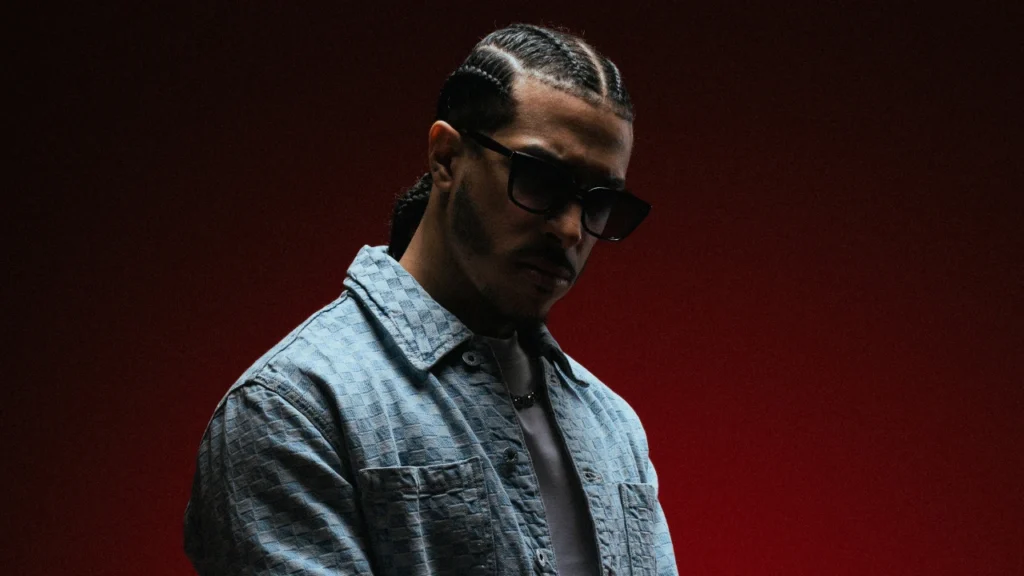
Nominated: “Yauske” by Dizzy DROS (winner), “Kaporal” by Deimi, “VFC” by Fat Mizzo, “Tfo 3awtani” by Al Nasser, “Fama Haja” by Obito.Triple3, “Moddern Slavery” by Yorpen, “La Blonde w La Brune” by L’Morphine
“Yasuke” is not only the best-written song of 2025 but it is a contender for one of the most masterfully penned tracks in the history of Moroccan rap. The industry’s response to the track has been nothing short of unanimous. When we polled ten of the most respected music critics in the scene, an overwhelming majority of six – Simohamed, 3ab9or, RAR, Zakaria, Mehditations, and Bennou16 – unhesitatingly named it the song of the year. Their reasoning was singular and focused: the sheer and unparalleled level of lyricism displayed throughout the track.
What sets “Yasuke” apart is its sophisticated use of advanced writing techniques that are rarely executed with such precision. The song is a guide book of techniques, from alliteration, homophones, to semantic chaining, all woven together with a variety of rhyme structures ranging from internal and slant rhymes to complex multisyllabic schemes. Perhaps DROS’s greatest achievement here is his ability to maintain this level of high-brow technicality without sacrificing the song’s dope delivery. The meanings remain sharp and accessible, ensuring that while critics dissect the bars, the average listener can still catch the vibe and the message on the first listen.
Part of the three-track EP Tall Poppy Syndrome (May 2025), “Yasuke” represents a profound evolution for Dizzy DROS. Since his historic breakthrough with “Casafonia” in 2011, DROS has been a titan of the Moroccan scene, though lyricism wasn’t always his primary calling card. He was the artist of “swagger” and harsh delivery, the man who popularized the West Coast sound in Morocco through his debut album 3azzy 3ando Stylo (2013), a project now revered as a classic. While he previously flexed his writing muscles in high-stakes diss tracks like “Moutanabbi” (against Don Bigg) and “Habeel” (during the 2021 Morocco-Algeria beef), those were “bars that hurt” meant for combat.
In Tall Poppy Syndrome (TPS), and specifically in “Yasuke,” DROS shifts from a ‘tough opponent’ to a ‘literary craftsman’. Those who have worked with him have always testified to his perfectionism, how he is fiercely protective of his music and gives every detail, from the mixing to the visual aesthetics, its proper time. In 2025, that meticulous nature resulted in a project that, as many critics put it, “raised the bar of lyricism” to a height previously unseen in the region. For its sophistication, its boundary-pushing penmanship, and its intricate attention to detail, “Yasuke” takes the title of the best rap song of 2025.
Hook of the Year: “Jesus is Alive”
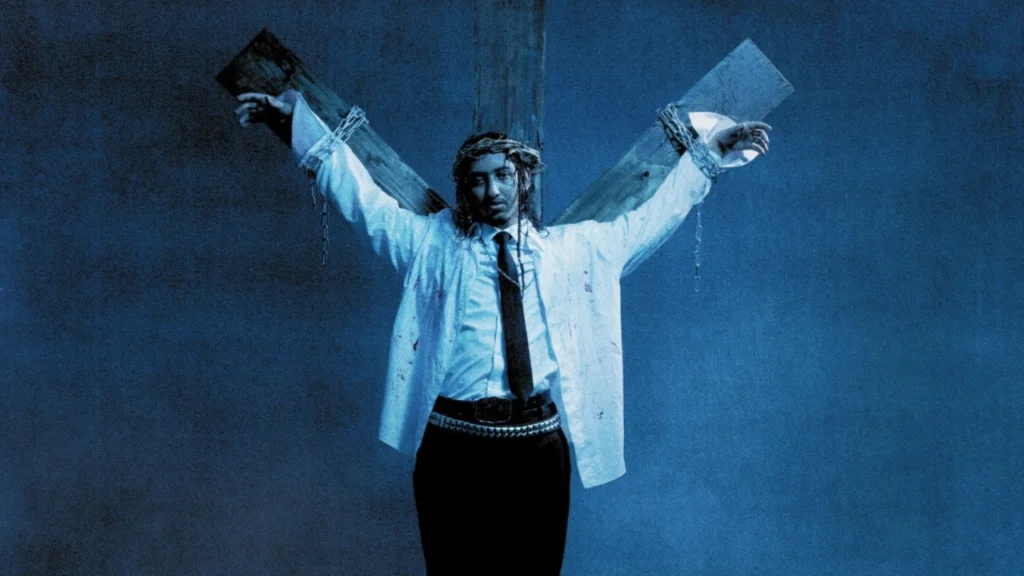
Nominated: “Jesus is Alive” by Mao (winner), “Taf Taf” by Shaw, “Amnesie” by Tagne, “Stuntman” by Damost, “Go” by Fetah, “Pirate” by Stormy, “‘Bout U” by Najm
Aymane Haqqi, a rapper originally from Midelt, has undergone one of the most compelling character arcs in the Moroccan scene. His journey reached a definitive turning point in August 2025 with the release of his debut EP, The Backstory of Galilee. To understand the weight of this project, one must look back at Haqqi’s public “defeat” on Jam Show, a national TV rap competition. For a time, he was a figure of ridicule, but his return has been nothing short of miraculous.
Moving from the fringes to becoming one of the most respected upcoming names, propelled by tracks like “Big L” and “7issan Asswad B Jna7ou”, Haqqi used this EP to confirm his status as a visionary artist with elite skills and creativity. The Backstory of Galilee is a cohesive, 6-track project grounded in religious references and the theme of redemption. The central allegory is the resurrection of Jesus, mirroring Haqqi’s own professional “rebirth” after his televised “humiliation”. The EP is a masterclass in storytelling, blending anedotes with dope musicality that spans from boom-bap to jazz-rap. While the project features heavy-hitters Nessyou and Najm, it is the closing track, “Jesus is Alive,” that captures the heart of the project’s message.
The success of this track rests heavily on the shoulders of MAO, a Moroccan pop and R&B singer who released his own impressive 6-track debut Solarr Eclipse in April 2025. Mao is a stylistic hybrid; his sound is a unique blend of childhood influences ranging from Western icons like Justin Timberlake and Carlos Santana to Rai icons like Cheb Bilal. This diverse background allowed him to deliver what is arguably his best vocal performance to date. His hook more than complements the song, it “hooks” the listener into the very core of the story’s emotional landscape.
What makes “Jesus is Alive” a glorious piece of art is the deliberate contrast between the two performers. The song moves at a slow, meditative tempo of 66 bpm, built on low drums and somber tones. Haqqi opens the track with a verse full of intricate wordplay and homophones, describing the uphill battle of simply being understood. As his verse gradually fades, Mao enters with a heavenly vocal performance, Mao sings of survival, how the world thought they had gotten rid of them, only for life to turn around.
Placed as the final track of the EP, “Jesus is Alive” serves as the ultimate confirmation of Haqqi’s return. The sensitivity of Mao’s vocals, combined with the raw power of the emotions he conveys, allows the listener to fully captivate the message of the song. For providing the emotional heartbeat to one of the year’s most important narratives, Mao’s performance on this track earns the title of the best vocals in Moroccan rap for 2025.
Live Hip-Hop Event/Festival of the Year: EGREGORE

Nominated: EGREGORE (winner), L’Boulevard, Mawazine, Rab’Africa, FMUD, Luzine , Yo! Fest
The year 2025 was undeniably a powerhouse for live music in Morocco. Mawazine, one of the world’s most significant festivals, reached a new milestone for urban music when ElGrandeToto became the first local talent to open for an international headliner, Lil Baby, on the prestigious OLM Souissi stage. It was a massive victory for the scene, proving that Moroccan rappers can now command the same platforms as global superstars. However, while Mawazine provided the scale, EGREGORE provided the soul and a historical revelation that changed everything we thought we knew about Moroccan hip-hop.
The true impact of EGREGORE lies in a groundbreaking discovery shared through a documentary produced by the organizing collective DOSEI, in collaboration with the archivists Biriebi3. For decades, the consensus was that Moroccan rap began with the pioneer Shams Dinn (Mohamed Ben Bouchta), whose track “Hadi Bled Noum” (recorded around 1987) was widely cited as the first rap song in Darija. But the research presented at EGREGORE shifted the timeline back to 1985. The festival revealed the existence of “Amarni Nanssa” (I’ll Never Forget) by Bob Fadoul, from his 5-track mini-album Reggae Marocain (1985). Much like Shams Dinn, Fadoul was inspired by the legendary American track “The Message” by Grandmaster Flash and the Furious 5 after hearing it in a club in Paris. He paired his lyrics with the classic beat of “Wordy Rappinghood” by Tom Tom Club (1981). This finding establishes that hip-hop culture has been an active part of Morocco’s musical DNA for exactly 40 years. While Fadoul is recognized for releasing the first Moroccan rap song, the title of the “first rapper” (an artist dedicated primarily to the craft), still remains with Shams Dinn.
EGREGORE, next to sharing this history; they celebrated it with a scale never before seen in a 100% hip-hop format. For its second edition, the festival transformed Casablanca into the epicenter of the culture for two days. The lineup featured 40 rappers to honor the 40-year legacy uncovered by the documentary. The roster ranged from rising underground talents to the industry’s biggest titan, ElGrandeToto, who has dominated Moroccan streaming since 2020. Marketed as “The Biggest 100% Hip-Hop Festival in History,” the event went beyond the stage. It was a full immersion into the four elements, featuring spaces for break-dancers, graffiti artists, and dedicated stands for rapper merchandise. Before this, the common narrative was that Moroccan hip-hop in the 80s was limited to dance styles like popping and breaking, with the rap scene only emerging in the early 90s with groups like Double A, Dar Gnawa, Les Smarks, and Casa Muslim. EGREGORE successfully moved the needle of history, proving that rap was already being experimented with in Darija as early as 1985.
Through its combination of high-octane performances and deep cultural preservation, EGREGORE did more than just host a concert; it added to the heritage of an entire movement. For its immense work in historical archiving and its massive community-led celebration, EGREGORE is officially the best live hip-hop event of 2025.
Hip-Hop Radio/Media Show of the Year: Jamshow
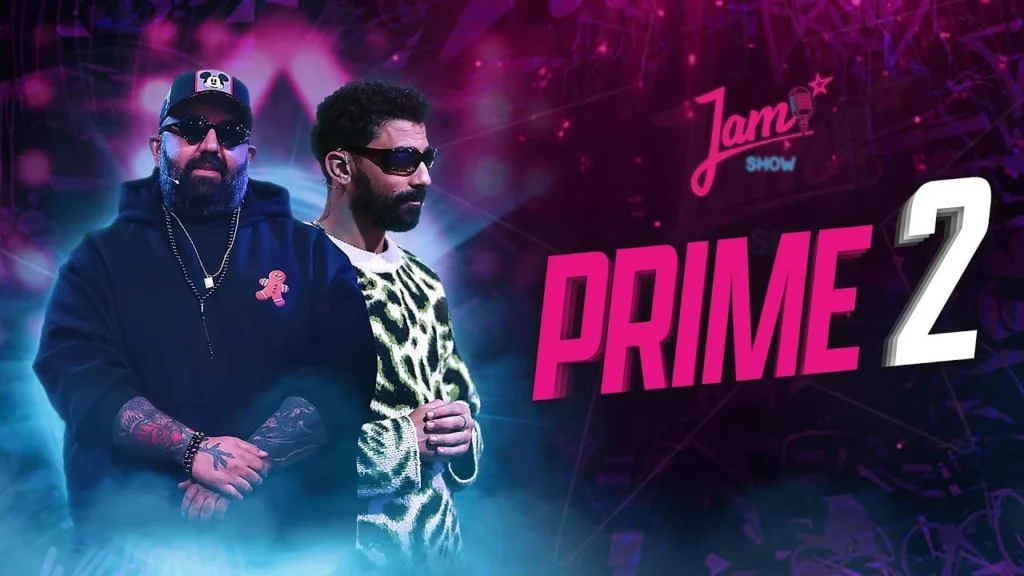
Nominated: Jamshow (winner), Hit Radio, L’Masterclass by Studio Code 30, Rap Talk by MDaily
In just two years and two high-octane seasons, Jamshow has made a name for itself as a new pillar of the Moroccan hip-hop conversation. Its success lies in a sophisticated strategy: combining the “traditional” authority of national television with a strong social media presence. By broadcasting on 2M, Morocco’s most-viewed TV channel, the show has successfully brought rap into the living rooms of families across the country. This platform provides a vital “stamp of approval” for the culture, helping older generations understand and respect an art form that was (and still) misunderstood.
While the TV broadcast captured the masses, the social media buzz was driven by its high-profile jury. The first season featured rap icons ElGrandeToto and Dizzy DROS, alongside a rotating third guest judge, while the second season matched the bar with icons Don Bigg and Shobee. This lineup ensured the show went viral from its very first episode. Behind the scenes, the show’s credibility is anchored by a team with deep-rooted knowledge of the culture, including figures like Latis (media strategist and radio host, Radio2M) and Tayze (artist manager, DROS), who ensure the production remains authentic to hip-hop’s core values. More than just entertainment, Jamshow has become a launchpad for a new generation of Moroccan rappers. Some of today’s prominent names gained their first major breakthrough on this stage, including Vira, 6win, Lakamura, and the winners of the first two seasons: Nezar (Season 1) and Ayo Adr (Season 2). The show’s influence is amplified by the surrounding urban digital media, which relentlessly covers, reshares, and debates every moment of the competition.
In 2025, the Jamshow brand expanded beyond the competition format. The team launched Jam’Pod, a dedicated podcast where jury members dive deep into the technicalities of rap, covering everything from history to music marketing. The momentum culminated in a live event on July 30 in Agadir: the “Jamshow Live Experience.” Headlined by Dizzy DROS, the concert featured a full-circle moment with performances from past participants, including Aymane Haqqi, Ayo Adr, Nezar, and Shinigami. This live presence, backed by the strategic sponsorship of Raïbi Jamila, a brand that has become much closer to the youth through collaborations and ads with Dizzy DROS, proves that Jamshow has built a self-sustaining ecosystem for the genre. For its role and ability to discover and nurture raw talent, and its innovative multimedia expansion, Jamshow is undeniably the Best Hip-Hop Media Show of 2025.
Best Independent Hip-Hop Initiative: Lhanger Live Cypher
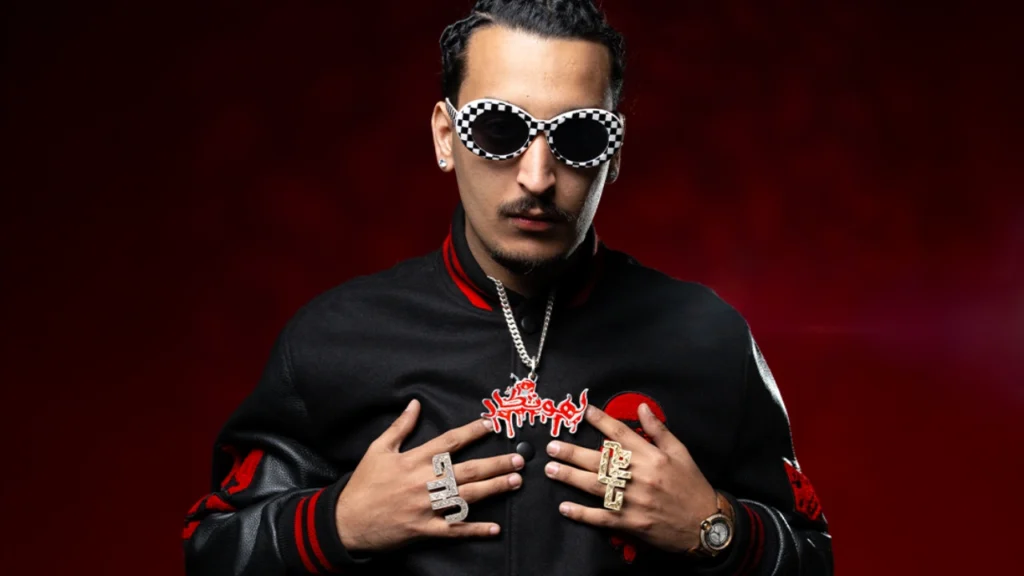
Nominated: Lhanger Live Cypher by Lembawe9 (winner), Chkon Howa Rapper by Farouk Life, D9i9a F’Rap by Simohamed F’Rap, Moroccan Rap Documentary by Bennou16, AtlasCultur by MRT, Stream Rap Challenge by Ilyas Elmalki, Rap Walk by Mehditations
2025 was a year for independent hip-hop initiatives that entertained, educated and explored the genre’s boundaries. We saw phenomenal efforts like Farouk Life’s “Chkon Howa Show,” a fun yet insightful program that challenged rappers to ‘Guest Who’ game, and MRT’s “AtlasCultur,” which traveled to the underrepresented Atlas Mountains to uncover hidden talent and bring the vibrant energy of regional freestylers to a bigger stage. While these projects significantly enriched the culture, one initiative stood out for its scale, professional execution, and cultural gravity: Lhangar Live Cypher.
To understand the success of Lhangar, one must look back at the journey of its creator, Lembawe9. In 2020, he pioneered the street freestyle movement in Casablanca, later taking his microphone to other cities to give aspiring artists a platform. Those early, raw videos were instrumental in kickstarting the careers of names like Bo9al and 21 Tach. In 2025, Lembawe9 evolved that concept into a high-quality experience. The first season, spanning four episodes from December 2024 to May 2025, became an immediate sensation. Lembawe9 curated a lineup of half prominent names and the other half upcoming. Including names like Diib, Loun, Furelise, Raid, Youss45, and the iconic lyricist L’Morphine. The episodes were well received by the community, racking up hundreds of thousands of views on YouTube and sparking intense discussion across social media. Lembawe9’s growing authority even led to him appearing as the MC for the freestyle and cypher segment on Jamshow.
What makes Lhangar exceptional is the level of personal investment involved. Lembawe9 reportedly spent between $6,000 and $7,000 per episode, a staggering figure for an independent creator in Morocco. This investment wasn’t without its challenges. The show became the center of a high-profile controversy involving rap icon Pause Flow. After a scheduled appearance fell through, a social media drama erupted that lasted for months, eventually escalating to legal proceedings according to Lembawe9’s public statements. Despite these hurdles, the show remained a bastion of quality and a testament to Lembawe9’s resilience.
For its professional audacity, its role in bridging the gap between generations, and the sheer financial and creative commitment required to bring such a vision to life, Lhangar Live Cypher is our Best Independent Creative Hip-Hop Initiative of 2025. Lembawe9 has proven that one individual with a microphone and a vision can move the needle of an entire industry.
Hip-Hop Journalist/Critic of the Year: Simohamed F’Rap
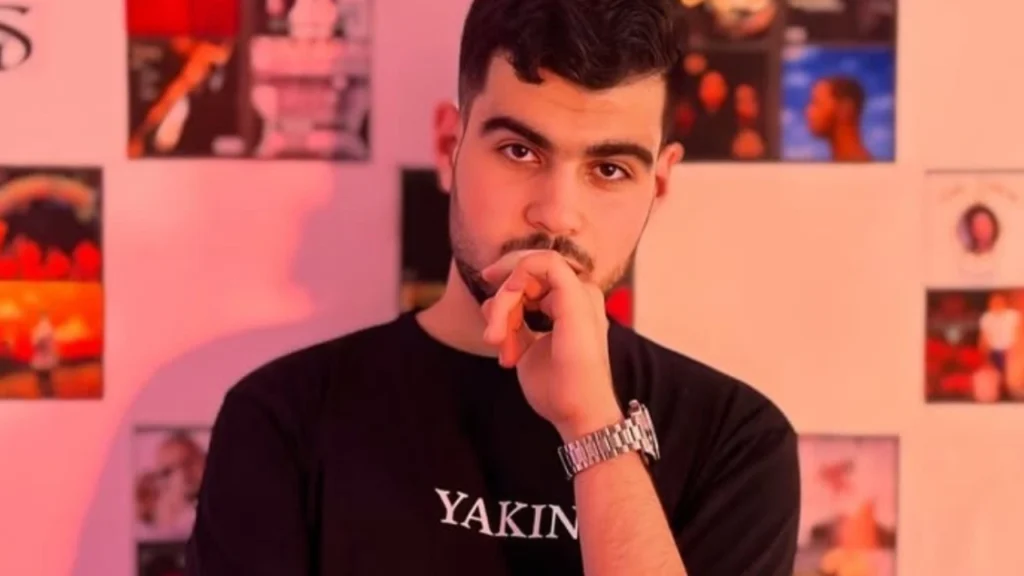
Nominated: Simohamed F’Rap (winner), Bennou16, 3ab9or, Barzfact, Moussa Elrharras, Amine Dionysus, Zakaria Aguib
Choosing a winner for this category was a unique challenge, as it requires us to look inward at our own profession. We decided to establish this award to shine a light on the dedication of music enthusiasts who spend countless hours dissecting tracks, analyzing music videos, and interpreting complex lyricism. These individuals are the bridge between the artist and the audience; they raise public awareness about music consumption, preserve history, and decode the technical brilliance that often goes unnoticed. Among a field of incredible nominees, the inaugural title goes to a man who has pushed the speed and style of Moroccan music criticism: Simohamed F’Rap.
Hailing from Fes, the Moroccan capital of knowledge and home to the world’s oldest operating university, Al Quaraouiyine, Simohamed carries that scholarly spirit into his work. Since he began posting in December 2023, he has become a rising powerhouse in the review community. He is best known for his incredible responsiveness; whenever a major song drops or an industry-shaking event occurs, his followers look for his signature teaser: “reel mn daba chwiya” (a reel dropping soon). True to his word, a high-quality analysis usually follows within mere hours.
Simohamed’s work ethic is staggering. With over 400 reels produced in just two years, he is among the most prolific creators in the game. This consistency has earned him a loyal following of over 100,000 enthusiasts on Instagram, making him one of the most-viewed and influential critics in the country. His reviews are engaging, insightful, and rooted in a passion for the genre. What adds to Simohamed’s impact is his commitment to the next generation through his original concepts. His series “D9i9a F’Rap” (A Minute in Rap) has become a vital platform for aspiring artists. By inviting rappers to Forsa Studio in Fes to deliver a one-minute freestyle, he has provided a stage for talent from all corners of the country – from Oujda and Salé to Ifrane. Each of these spotlights (seven so far) has garnered at least 100,000 views, proving there is a massive appetite for the talent he uncovers. Additionally, his street interviews, where he asks Moroccans which single rap song they would listen to forever, provide a fun and valuable pulse-check on the street’s real favorites.
Another quality is Simohamed’s willingness to stand up for the culture when it mattered most. In Novemebr 2025, when the influential rapper Pause Flow was arrested for lyrics deemed “too critical” of state authorities, Simohamed didn’t just post about it, he also took action, traveling to Sefrou to participate in a solidarity stand in front of the court. Holding a sign that read “Al-Houriya o Al-Adala” (Freedom and Justice). Following weeks of public and peer advocacy, Pause Flow was ultimately released on December 26. For his prolific output, his innovative concepts, and his ability to turn music criticism into a high-speed, high-engagement cultural event, we are proud to name Simohamed F’Rap as the Best Music Journalist/Critic of 2025.
Morap Song of the Year: “Yat s Yat”
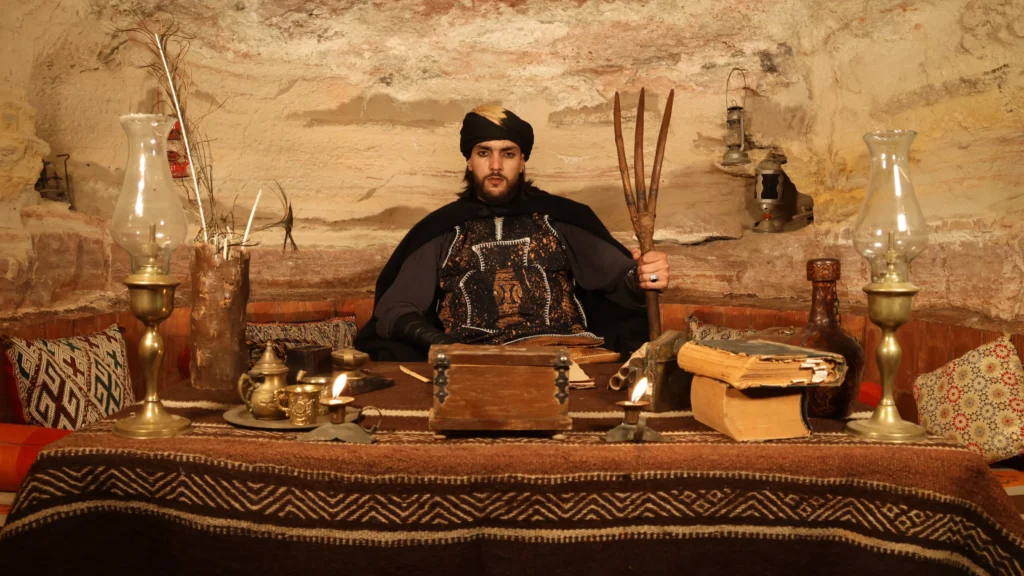
Nominated: “Yat s Yat” by Namber (winner), “Chreg Gate3” by Ayo Adr, “Bous Momo” by N.Flow & Ayo Adr, “Hazz 3inik” by Levy, “Taf Taf” by Oldy, Shaw & Anys, “Toqosi” by Overman30, “Official Soundtrack of Jamshow” by Jamshow
This category is our favorite, as 2025 marked the official arrival of Morap on the global stage. For decades, the fusion of traditional Moroccan sounds and rap existed without a unified name; this year, the community finally embraced and defined ‘Morap’: the seamless integration of local instruments like qraqeb, sintir, and bendir with the modern pulse of beats like boombap, trap, and drill. The genre’s impact was validated internationally with three major AFRIMA nominations: “Stk Stk” (DROS, Kekra, and Norf) for Best African Music Video; “Kafini” (ElGrandeToto & Tif) for Best African Act in the Diaspora; “Mok Ya Mok” (Benny Adams and Khadija El Warzazia) for Best African Collaboration. The growth of the genre was further fueled by our collaboration with music critic L7ma9 Reaction to launch two massive initiatives: the Morap Type Beat Challenge and the Morap Freestyle Challenge. The response was overwhelming, with over 60 producers submitting beats and more than 200 rappers delivering freestyles. This grassroots movement proved that Morap is a cultural shift embraced by artists across the country.
The race for the top spot was a narrow one between Ayo Adr’s “Chreg Gate3” and Namber’s “Yat s Yat.” Both artists have been instrumental in popularizing the genre, even taking the sound to national television during their performances on Jamshow. While Ayo Adr’s work is of great quality, the title of Best Morap Song ultimately goes to Namber.
“Yat s Yat” (meaning “one by one” in Amazigh) is a sonic work of art. It features a brilliant mix of drill drums and the soulful melody of the rebab, a beloved traditional instrument. Namber’s decision to rap entirely in Amazigh – the ancient, foundational language of Morocco – is a powerful expression of pride. The music video further elevates the track, juxtaposing local traditional attire with modern hip-hop fashion, all while showcasing the beauty of his hometown. Furthermore, Namber’s entire EP, Made in Tamazirt, is a project to be appreciated, likely the first of its kind to be fully dedicated to the Morap genre and performed entirely in Amazigh. For his bravery in centering indigenous identity, Namber’s track takes the title of the Best Morap Song of 2025.
Long Live Hip-Hop! Long Live Creativity!
Written by:
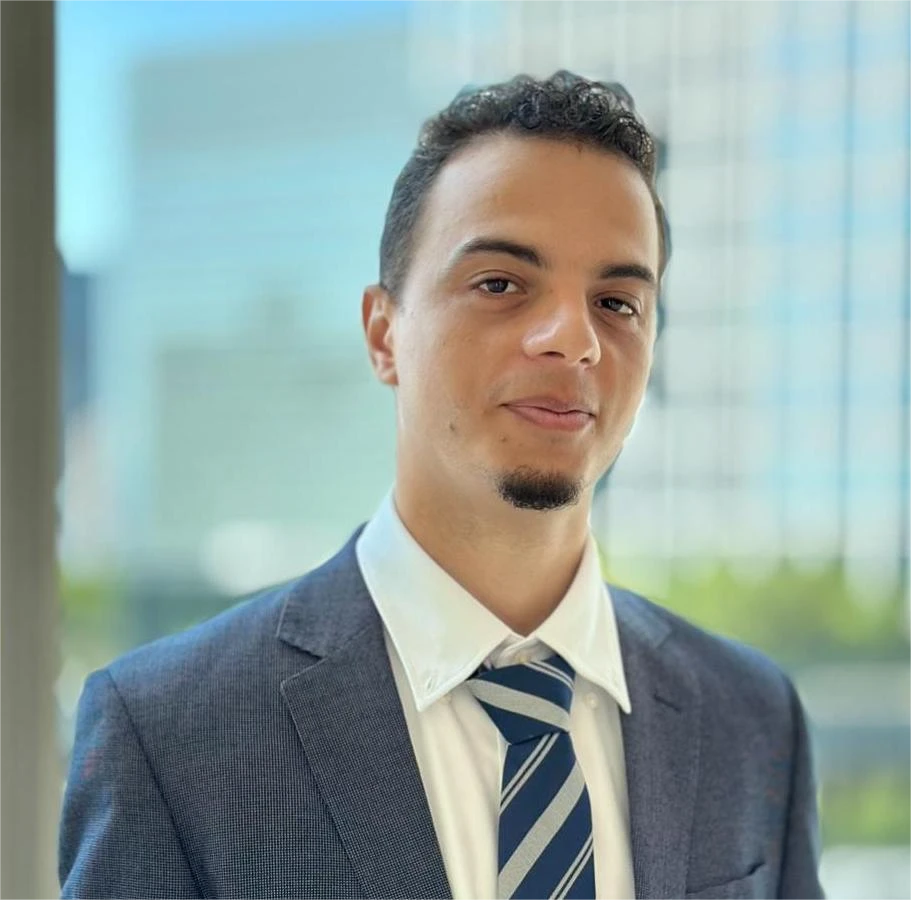
Ben Tarki Moujahid
Author
 View all posts
A music critic and a researcher, Moujahid writes in-depth articles analyzing Moroccan and global hip-hop, blending insights from industry experts into compelling, well-rounded critiques. Beyond writing, he plays a pivotal role in shaping the magazine's editorial vision, refining its tone, structure, and style to elevate the reader's experience. As the lead editor, Moujahid meticulously oversees and polishes nearly all published articles, ensuring the magazine maintains its reputation as a trusted and influential voice in music journalism.