The Life Story of French Montana
Karim Kharbouch, known as French Montana, landed in New York as a 13-year-old Moroccan kid who didn’t speak English, stepping into a borough that doesn’t pause for him or anyone else. Years later, he would stand inside the very industry that once felt sealed shut, with platinum plaques, world records, and a career built on hustling. The most useful way to understand French Montana’s rise isn’t to start with a hit record. It’s to start with a teenager learning English in the streets, and a hustler realizing that in America, ownership of a camera and microphone can be as powerful as ownership of land.
The Beginnings: From Casablanca to the Bronx
Karim Kharbouch was born on November 9, 1984, in Casablanca, Morocco. He spent his first 13 years on a family estate, an environment characterized by relative comfort where he developed a dual obsession with soccer and rap music. This stability was disrupted in 1996 when his father, Abdelah, moved the family to the United States in search of better opportunities.
The family settled in a housing project in the South Bronx, a transition marked by immediate linguistic and social isolation. Montana spoke only Moroccan Darija Arabic and French. Speaking no English, he described this language barrier as the “most disrespectful” challenge a person can encounter, as it stripped away his ability to navigate basic social interactions. He attended Lehman and Roosevelt High Schools, but his primary education occurred in the streets, where he adopted English through social necessity and the circles of hip-hop culture.
The household’s stability was short-lived. After two years of struggling to establish a financial foothold in New York, Karim’s father decided to abandon the American venture and return to Morocco. In a pivotal moment of agency, Karim’s mother, Khadija, refused to leave. She opted to stay in the Bronx to protect her children’s future despite the immediate threat of poverty.
Left as the sole parent of three sons (including a newborn), and dependent on welfare, Khadija worked off-the-books jobs to keep the family afloat. This abandonment fundamentally altered Karim’s adolescence. As the eldest son, the responsibility of the primary breadwinner fell upon his shoulders. Unable to attend college due to his immigration status and feeling like an “outcast,” he was forced to navigate the fine line between legal and illegal labor to support his family, risking incarceration and deportation daily.
Despite the abandonment, Montana expressed in a Moroccan Arabic interview with Farouk that he is “not mad at his father”. Instead, he is “thankful” and has a lot of love for him, reasoning that his father’s initial ambition and bravery in coming to America made ‘French Montana’ a possibility.
VIDEO: French Montana Classic! – 2000 freestyle | French Montana may be known for his club-leaning bangers, but he has always been a sleeper lyricist, check this freestyle out, one of the best street freestyles out there.
The Cocaine City Empire: Guerrilla Entrepreneurship
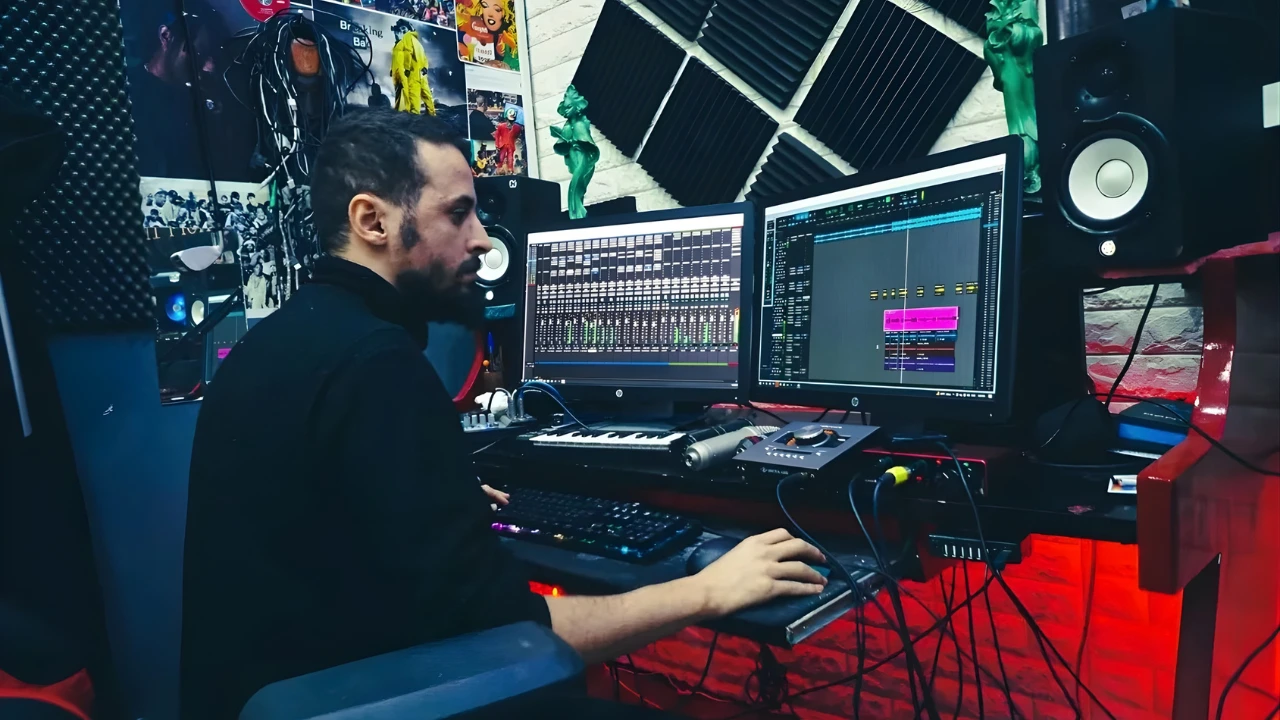
In 2002, identifying a market inefficiency where traditional gatekeepers (radio and major labels) were inaccessible to underground artists, Montana and a friend Cams launched the Cocaine City DVD series. This was a grassroots media product built for a pre-YouTube era when hip-hop moved through barbershops, corner stores, and bootleg networks.
Inspired by the Smack DVD series, Montana acted as the host and interviewer. By featuring street legends like Pee Wee Kirkland and Remy Ma alongside raw footage of “street beefs,” he placed himself at the center of the culture. Under the name Young French, he used the DVDs as a strategic stepping stone to showcase his own music and freestyles directly to his audience. The series lasted from 2002 to 2010, totaling 14 volumes plus various spin-offs. It functioned as an intensive “unpaid internship” in marketing, branding, and relationship management.
The financial independence provided by the series was substantial. By the fifth volume, the venture was producing roughly 30,000 copies per issue, sold at $5 each. Montana estimated that each volume could generate between $300,000 and $500,000 in total revenue. This significant cash flow allowed him to bypass predatory early-career rap contracts and reinvest every dollar into his own music. This era also served as the incubation hub for the Coke Boys collective, consisting of childhood friends like Brock, Droop Pop, and Cheeze.
The path was fraught with severe risk. In 2003, Montana’s hustle was nearly ended when he was shot in the head outside a Bronx recording studio. The incident, resulting from what Montana describes as a setup, left him hospitalized for weeks. Rather than deterring him, surviving this trauma deepened his resolve and solidified his “street cred”.
French Montana’s success is frequently framed as inseparable from his mother’s labor and the “immigrant pressure-cooker.” His faith as a practicing Sunni Muslim and his multilingual roots remain core to his identity. By the time digital platforms like WorldStarHipHop emerged, Montana had already established a physical and psychological presence in the streets.
The Wave: How the Hustle Paid Off
By 2012, this momentum secured him a landmark joint venture with Bad Boy Records and Maybach Music Group, officially moving him from the underground to the mainstream as an XXL Freshman.
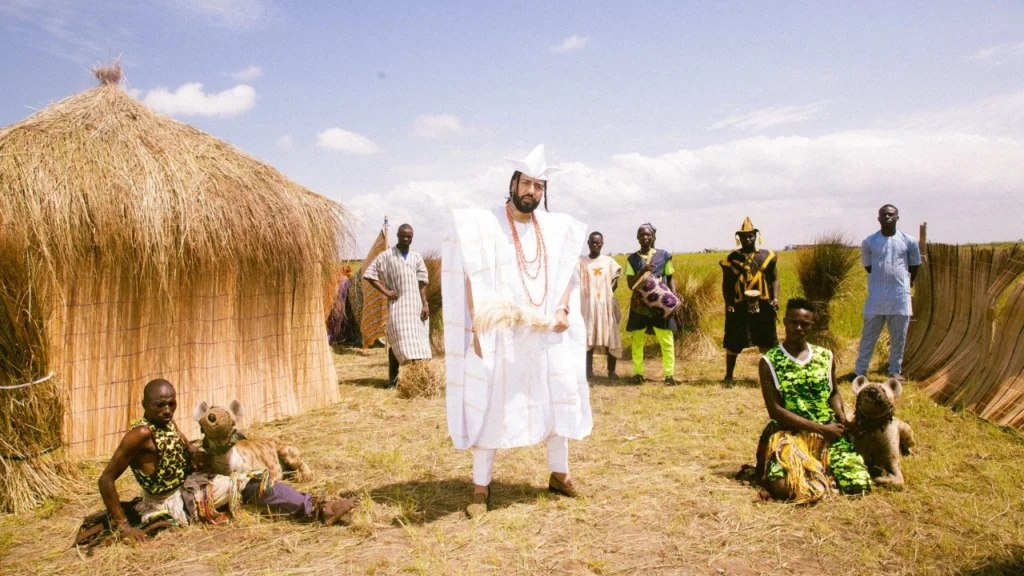
Despite reaching the pinnacle of American hip-hop, Montana never abandoned his heritage. He arrived in the Bronx speaking only Darija and French, a fact that earned him the nickname “Bonjour,” which he later flipped into his stage name. From wearing traditional Moroccan garb in the “Famous” music video to appearing at the Met Gala in a thobe during Ramadan, he has remained a visible ambassador for North African and Muslim identity.
The transition from a street-level entrepreneur to a global icon was fueled by a work ethic that became legendary among his peers. As DJ Envy once testified: “French is the perfect example of ‘I will go to every club till I break’, every club, every strip club, every radio station, I never seen a work ethic like that in a long time.”
This relentless drive allowed Montana to parlay his “immigrant hustle” into a sprawling business empire. In 2008, he rebranded his media venture into Coke Boys Records, an imprint that became a powerhouse incubator for talent. Montana demonstrated an uncanny ear for the culture, bridging regional sounds from the “Wave” of Harlem to the “Drill” of Chicago. He provided early industry boosts to artists like Lil Durk, Chinx, and more recently, DThang and Kenzo B. His partnership with producer Harry Fraud further defined an era, creating a melodic, atmospheric street sound that resonated globally.
VIDEO: French Montana Donates $100,000 – BET Breaks | Montana’s donations reportedly helped the Suubi Health Center quintuple its capacity, growing from around 50,000 to over 200,000 people served.
French Montana: Giving Back to Africa and Beyond
His success eventually shifted from personal accumulation to global communal investment. After filming the “Unforgettable” video in Uganda, he witnessed the dire state of local healthcare at The Suubi Health Center and took action by donating $100,000 and helped raise over $430,000 to build a three-story maternal health clinic in Uganda, saving the lives of countless mothers and infants.
In Morocco, he has funded preschool classrooms in Rabat and continues to advocate for education and music schools in his homeland. Following the 2023 Morocco earthquake, he spearheaded relief efforts with a $100,000 donation to CARE. For these efforts, he was named rap’s first Global Citizen Ambassador and received the Pencils of Promise Innovator Award for helping raise $226 million for global healthcare and education.
Following the death of his friend Mac Miller, Montana co-founded NAQI Healthcare (Arabic word for “Pure”), an initiative providing private detoxification services, donating 10% of profits to MusiCares. This transformation from beneficiary of welfare to benefactor of global communities is commendable.
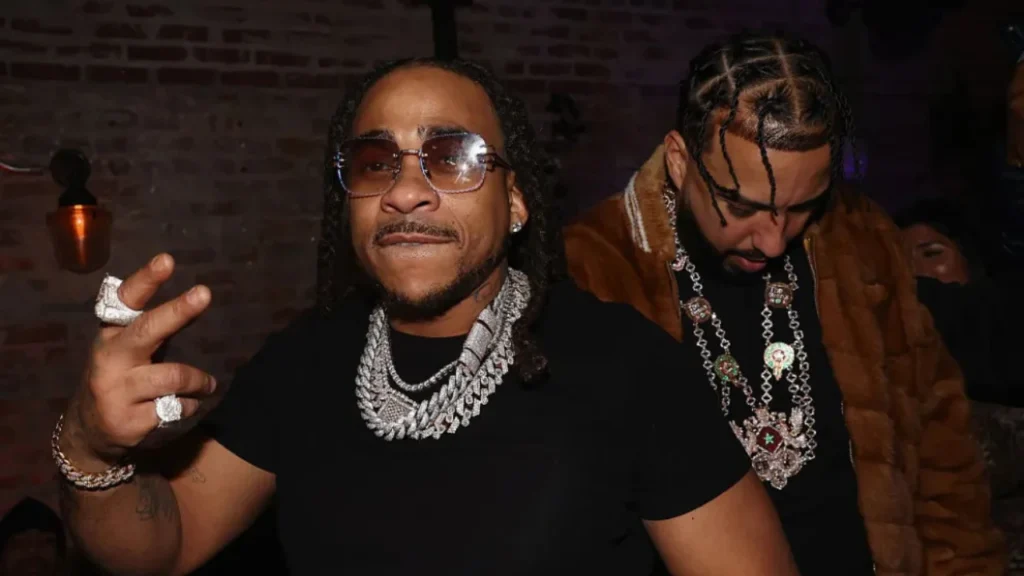
French Montana: The Biggest African-born Rapper
Today, the statistics of Montana’s career serve as a definitive subversion of the “outsider” narrative, proving that a non-English speaking teenager can transform into a historic global force. His catalog has racked up billions of streams and earned numerous multi-platinum plaques, including three Grammy nominations and two BET Hip-Hop Awards. His 2013 debut album, Excuse My French, hit No. 4 on the Billboard 200, while his follow-up, Jungle Rules, peaked at No. 3 and both achieved Platinum status. Since 2012, he has landed 17 tracks on the Hot 100 and spent over 200 weeks on the charts, reflecting a level of consistency that few artists achieve in a rapidly changing industry.
The crown jewel of this legacy is the global phenomenon “Unforgettable.” The single is one of the highest-certified digital tracks in U.S. history, earning a Diamond (11x Platinum) certification from the RIAA for moving over 11 million units. By 2024, it surpassed 2 billion Spotify streams, officially becoming the most-streamed song ever released from New York City. This milestone is a poetic victory for an immigrant who settled in the South Bronx, the very birthplace of hip-hop, as he now holds the record for the city’s most-consumed track.
Beyond individual songs, Montana’s overall digital footprint is staggering. He is widely acknowledged as the most-streamed African-born artist in history, with some third-party tallies citing over 25 billion digital spins across global platforms. He holds the distinction of being the first recording artist born on the African continent to reach RIAA-Diamond status in the United States. From the streets of Casablanca to the top of the Billboard charts to a multi-platinum empire.
VIDEO: French Montana & Akon & Innoss’ B & Yemi Alade – AFRICA l Produced by RedOne | The track is from RedOne’s 2025 album A.W.A.M, described as the official album of the Africa Cup of Nations.
Conclusion: Reality Almost Always Crazier Than Fiction
The life story of French Montana is a narrative that began with a mother’s sacrifice and a son’s promise to make that sacrifice count. From a teenage boy nicknamed “Bonjour”, a Young French, to the man who holds the streaming records for both his birthplace and his adopted home, French Monatan has proven that his mom, Khadija, did the right thing. His legacy is no longer just about the “grit of the Bronx”, it is a global testament to faith, family, and the power of never forgetting where you came from.
Written by:
Ben Tarki Moujahid
Author
 View all posts
A music critic and a researcher, Moujahid writes in-depth articles analyzing Moroccan and global hip-hop, blending insights from industry experts into compelling, well-rounded critiques. Beyond writing, he plays a pivotal role in shaping the magazine's editorial vision, refining its tone, structure, and style to elevate the reader's experience. As the lead editor, Moujahid meticulously oversees and polishes nearly all published articles, ensuring the magazine maintains its reputation as a trusted and influential voice in music journalism.