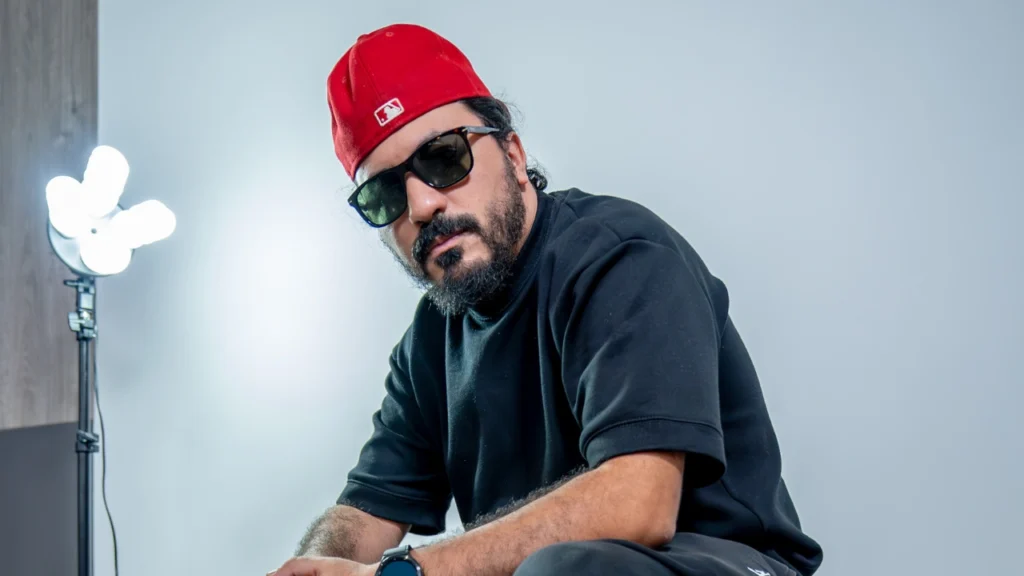
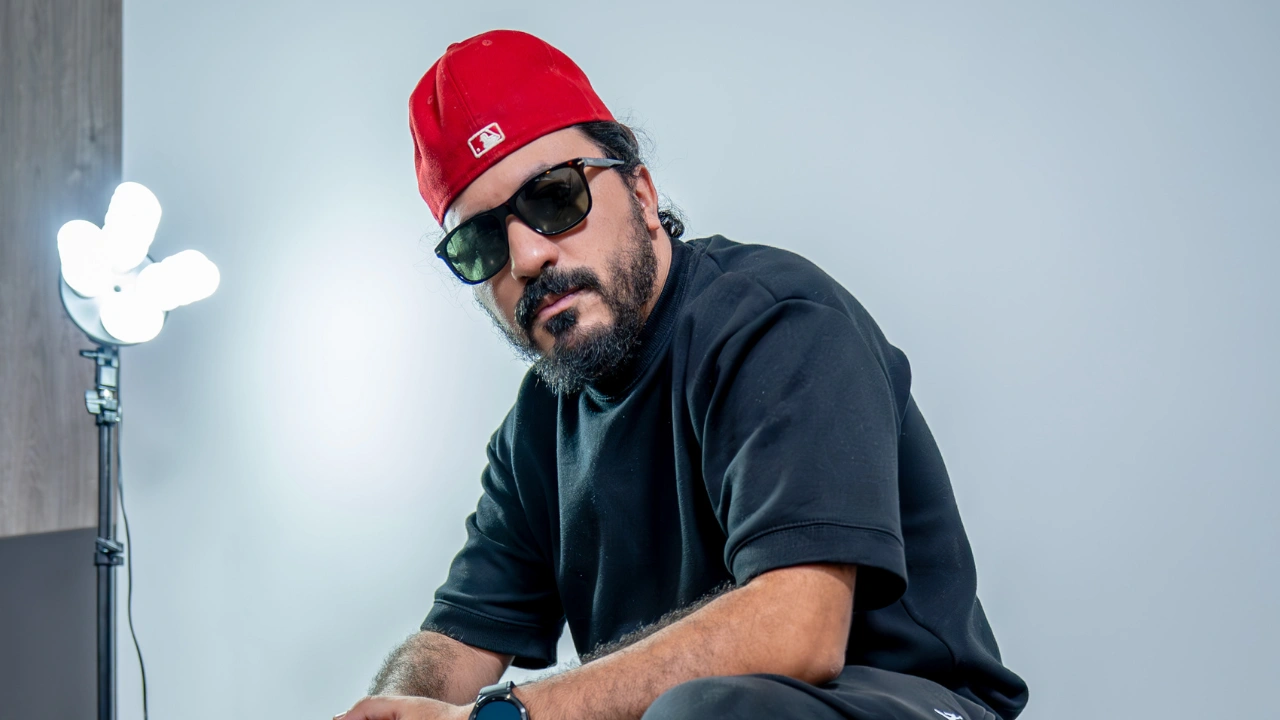
Lbandy: Producer, Executive and Entrepreneur - The Formula for Global Success
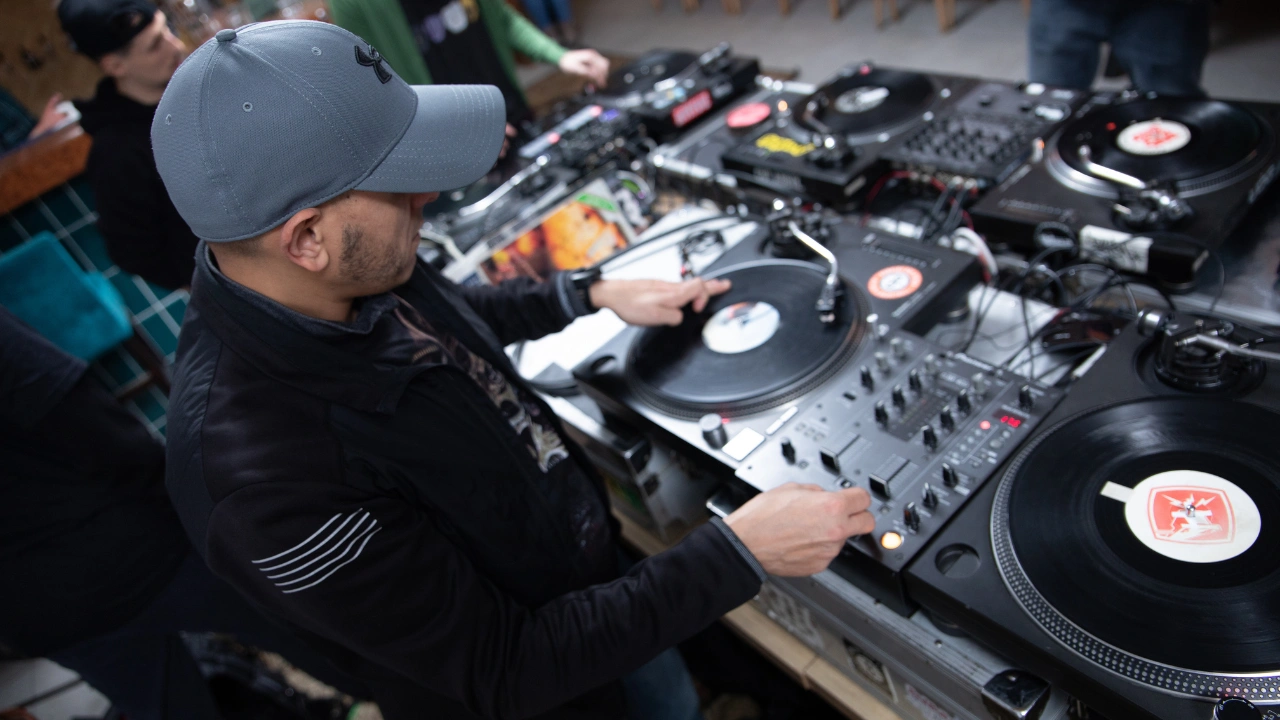
Lbandy, born Amine Adel, embodies the quintessential multi-hyphenate of the modern music industry, a pivotal figure whose influence stretches from the underground Moroccan hip-hop scene to the global boardrooms of major record labels. Active since 2006, Lbandy’s career trajectory is a true example of evolving from an aspiring artist to a crucial industry figure, seamlessly blending the technical and creative roles of a music producer, executive producer, sound designer, art director, software developer and graphic/3D designer, alongside the strategic roles of an A&R executive and successful entrepreneur.
His journey has seen him contribute to some of the most culturally resonant rap tracks in Moroccan history, while simultaneously driving innovation in music technology and spearheading the commercial development of new genres across the wider Middle East and North Africa (MENA). From his early days as a rapper winning local awards to his current senior position at Sony Music facilitating global star collaborations, Lbandy has maintained a commitment to authenticity and local sound, ensuring that Moroccan rhythm and flavor travel with him wherever his projects lead.
In a conversation with DimaTOP, Lbandy discussed his journey from a young rapper from Meknes to becoming a pivotal multi-hyphenate figure in the global music industry, shaping sounds from Casablanca to Dubai.
Lbandy: From Fan to Executive Producer
Lbandy’s entry into the music scene began not with a professional contract, but with the profound cultural impact rap music, especially an album. He recalls the transformative moment of hearing Don Bigg’s monumental 2006 debut, Mgharba Tal Moute (meaning Moroccans Till the End), an album that has since been acclaimed as one of the most influential rap albums ever. Lbandy, still a young aspiring artist at the time, later managed to connect with the rap icon through the nascent digital channels of the mid-2000s, sending tracks over MSN Messenger. Don Bigg even voiced approval for one of Lbandy’s songs in 2006.
This early contact was followed by a significant break in communication. The professional partnership began over a decade later, around 2018. Lbandy described the eventual opportunity to work with the rap icon as surreal, noting, “It was like a dream when I started working with this legend.” Their first major collaboration, the diss track “170KG” (2018), was a massive, immediate hit. The track amassed over 40 million views and was featured in the Netflix show, Inventing Anna, which ranks among Netflix’s all-time most watched English language TV series. In the track, Don Bigg openly challenged the new generation of Moroccan rappers who had been disrespecting him. The song triggered one of the most iconic rap beefs in Moroccan history, particularly with rapper Dizzy DROS.
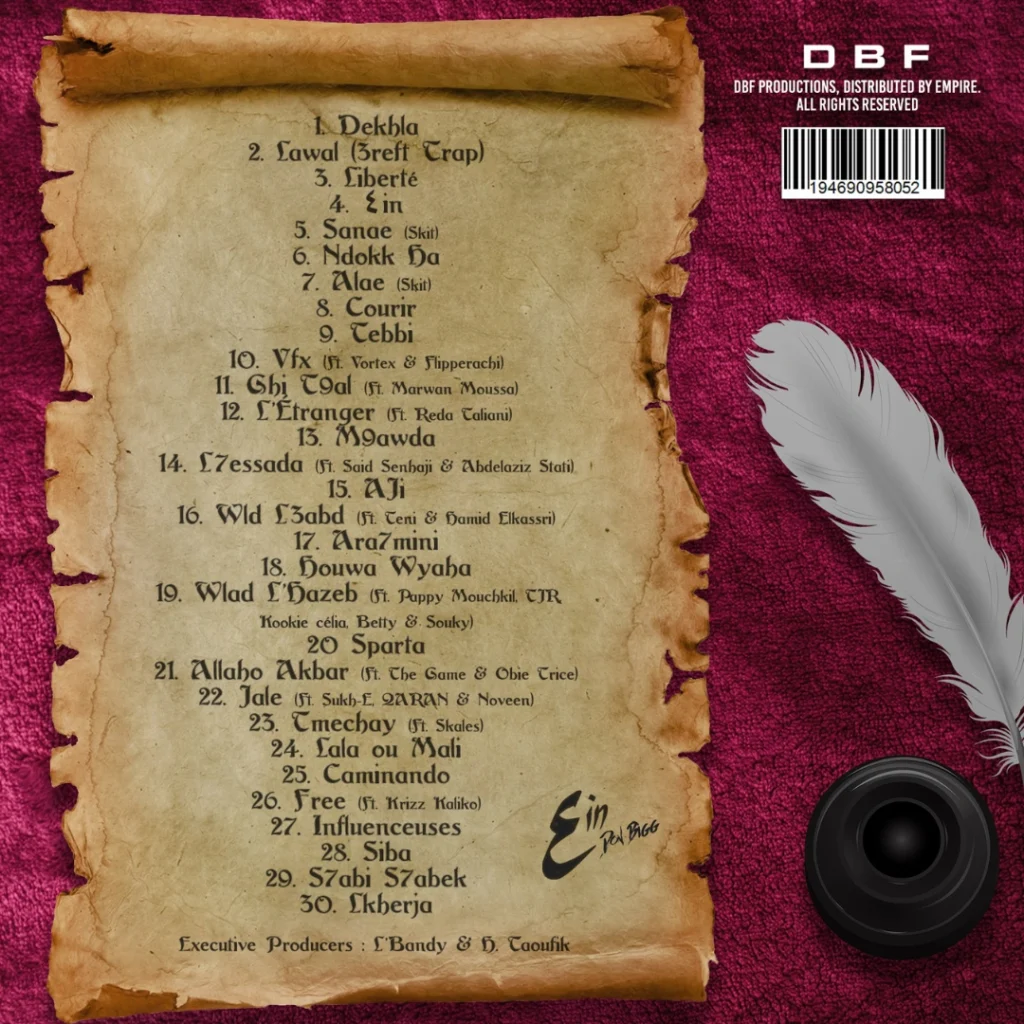
Lbandy further solidified the partnership as the executive producer for Don Bigg’s fourth studio album, 40 (stylized ٤in, 2023). This project showcased Lbandy’s ability to orchestrate massive international collaborations, notably producing “Allaho Akbar,” featuring American rap icons The Game and Obie Trice, and “Ghi T9al” alongside Egypt’s superstar rapper Marwan Moussa.
VIDEO: DON BIGG – 170 KG
Launching the Next Wave: New Acts and Diaspora Hits
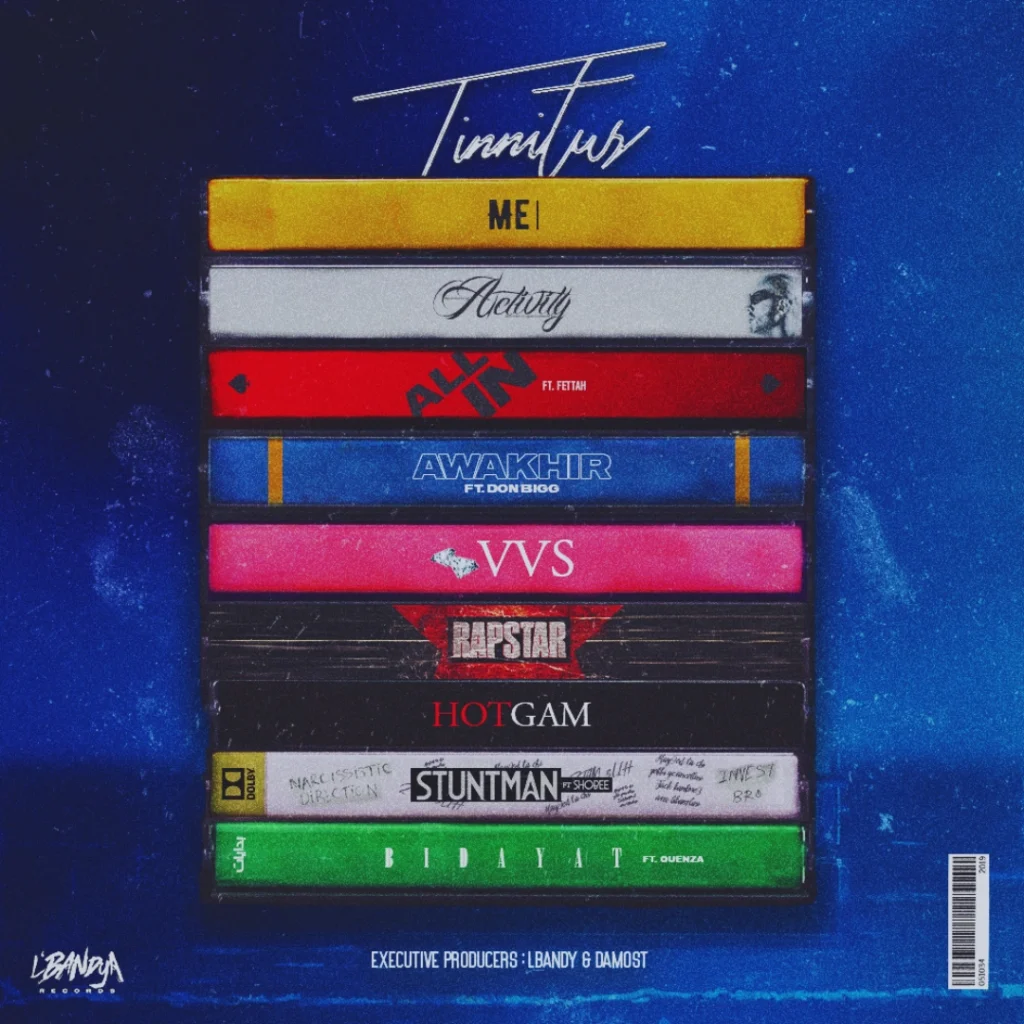
Beyond working with the established giants of the scene like Don Bigg, Lbandy has been instrumental in launching the next generation of Moroccan talent and extending his influence to the diaspora. He found a different kind of reward in supporting emerging acts, forming a key partnership with Damost, a Moroccan rapper who had already gained traction with hit singles like “Activity” (2024) and “Hotgam” (2024), both of which were produced by Lbandy, before the release of his first major body of work.
Lbandy served as the executive producer for Damost’s debut EP, Tinnitus (2025). He finds a greater fulfillment in these foundational projects, stating that the “fulfillment is much bigger with new stars, more than with those who are already established, because you feel that you played an important role in that success.” This commitment to foundational work extends to revered underground names like Al Nasser, a relationship rooted in mutual respect and a desire to “not forget who we are and where we came from.”
His prolific output in the local scene also includes producing commercial juggernauts like ElGrandeToto’s “DDD” (featuring Don Bigg, 2020), and Moroccan-Italian Baby Gang’s global hit “Khawa Khawa” (featuring Reda Taliani, 2021), which has surpassed 50 million views and highlights Lbandy’s ability to work effectively with successful artists from the Moroccan diaspora. He also produced hits for Inkonnu, Profit Za3im, and veterans like Azzedine and Sif Lssane of H-Kayne.
Morap: The Sound of the Soil and a Boombap Ethos
One of Lbandy’s most significant musical contributions is his integral role in shaping Morap, a distinctive Moroccan subgenre of hip-hop that foregrounds local traditional instruments and musical styles. This distinct sound is characterized by the incorporation of instruments and grooves from Moroccan folk traditions such as malhun (a form of sung poetry), the spiritual gnawa, and the popular folk music known as Chaabi.
A prime example of this genre blend is Don Bigg’s track “Weld L3abd” (meaning Son of a Slave), which features the gnawa master Hamid Al Kasri, incorporating the traditional gambri (a three-stringed lute) alongside other local instruments. Similarly, the hit track “L7essada” (The Haters) is described as a “fine mix between the two worlds of hip-hop and Moroccan Chaabi”, featuring genre icons Stati and Senhaji.
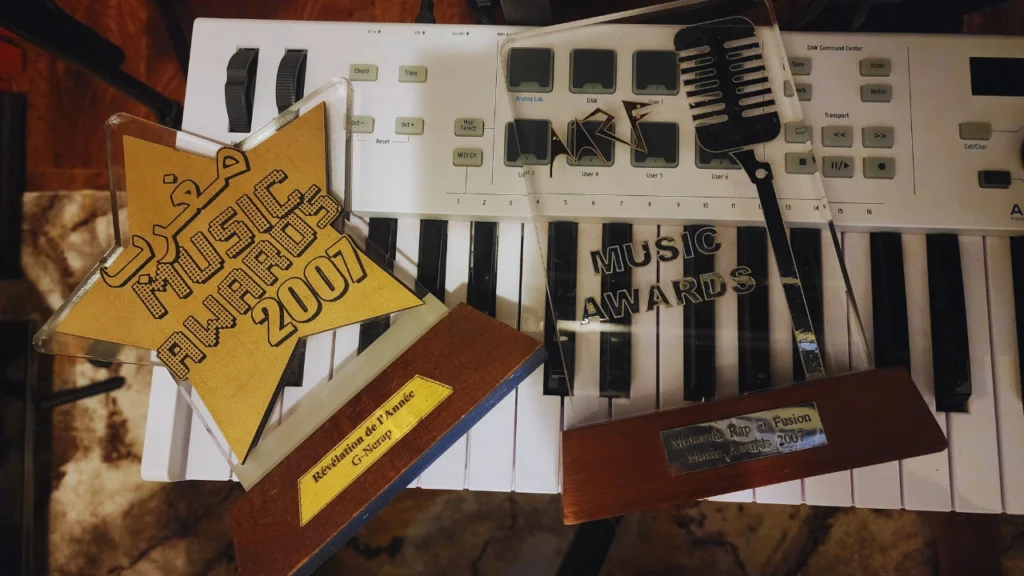
Before his production and executive career took off, Lbandy was himself an active rapper as part of the duo G-Nerap, alongside his brother Omar (aka Lil’Beat), with Lbandy performing under the stage name Derrty. The duo saw a significant rise in 2007 by winning the reputable L’Boulevard festival, alongside the Maghreb Music Awards and the Motorolla Music Award, among others. These were major cultural events at the time, also recognizing other music stars like Don Bigg, H-Kayne, and Hoba Hoba Spirit, showcasing the importance of G-Nerap’s early rise.
Lbandy was a “boombap guy,” whose style leaned toward conscious rap and whose preference was for “fire bars, not melodic skuuuurt.” He initially waited for the trap music wave to fade out so he could re-enter the scene with his preferred style, but as the trap sound continued to dominate the global landscape, his planned pause extended, ultimately leading him to focus completely on his booming production and business career.
Senior A&R and Composition: Expanding Across the MENA Region
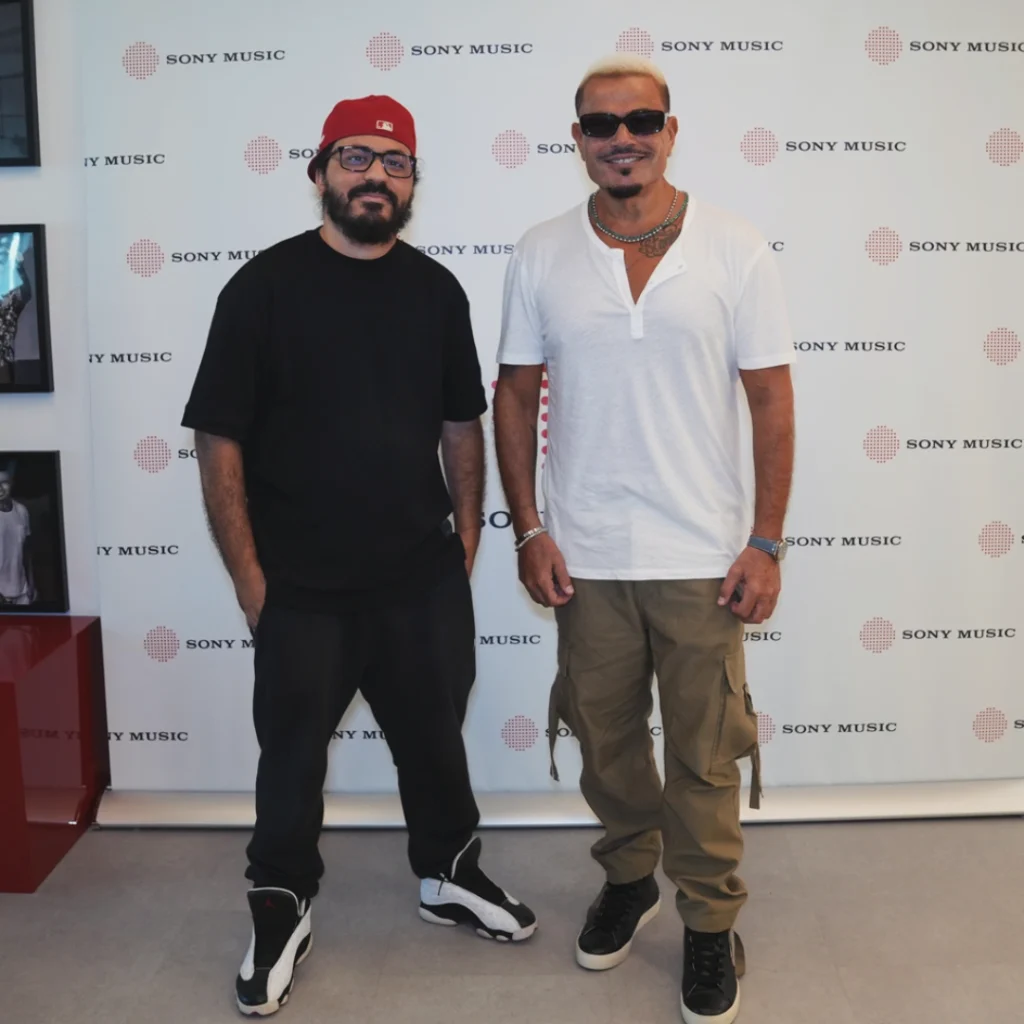
Lbandy’s influence transcends Moroccan borders, making him a crucial bridge for artists across the MENA region. Now based in Dubai, he operates as a Senior A&R executive at Sony Music Middle East, focusing on Egypt and the Gulf Cooperation Council countries, he works directly with superstars like the legendary Egyptian singer Amr Diab and alternative music figure Amir Eid, whose album and film Roxi he helped oversee.
This role demands that he wear many hats, not only producing records but also scouting and developing new acts, such as Dr. Slim from Saudi Arabia and the emerging talent Barry. This dedication to cross-regional collaboration is evident in his production credits, which span the Middle East, including Vortex (Kuwait), Flipperachi (Bahrain), TooDope (Sudan), Wingy (Egypt), and others.
Currently, Lbandy is focused on developing a specific sub-genre within Khaliji hip-hop (Gulf hip-hop), often referred to as Hopey or the 6/8 genre, working with artists like 74 Original, Dee Production, and Dj Mk. His efforts to define this sound led him to serve as the Artistic Director for the massive 2020 hit “وناسة – DJ MK, MJ, M.S,” which currently boasts over 100 million views on YouTube. He notes that while the Gulf region traditionally consumes a lot of Khaliji music, they are actively pushing the new hip-hop sound and his distinctive genre fusions.
His talents are also sought outside of commercial music, demonstrated by his recent work as Original Score Composer and Music Supervisor for the Netflix docuseries Saudi Pro League: Kick OFF. Furthermore, he contributed to the Official Soundtrack of the 2024 Esports World Cup composed by the award-winning Film & Games Composer Brian Tyler, serving as A&R and Arranger, underscoring his diverse and expansive professional portfolio in the global entertainment sector.
The Entrepreneur: Tech, Marketing, and the Global Sound Market
Alongside his work in music production and A&R, Amine Adel has built a parallel career as an influential music technology entrepreneur and marketer. His business acumen honed at ENCG Casablanca, where he graduated with a marketing diploma in 2013. This education was complemented by significant past corporate roles: he served as a Content and CRO (Conversion Rate Optimization) Manager at Jumia and a Digital Marketing Manager at Avito. These companies were, at the time, the biggest market leaders in Morocco for e-commerce and classified ads, respectively, providing Lbandy with an invaluable strategic foundation before he focused entirely on music.
This experience informed his creation of Producer Sources, a leading platform for developing and selling VST Plugins and Sample packs. Lbandy attributes the platform’s success to a simple, albeit “prohibited rule,” stating, “I win because I am the target audience of my brand.” Lbandy makes his own sample packs on the site, allowing him to maintain the artistic quality and unique sound that his collaborators seek.
Beyond sample packs, Lbandy also developed multiple VST plugins, including Driller, Verbgate, RetroFX, and Log Drum. The Log Drum VST was widely adopted during the Amapiano era, becoming a fixture in major records; for example, multi-platinum producer BNYX (who has produced for Drake, Nicki Minaj, and Travis Scott) was spotted using the Log Drum VST on his stream. Furthermore, the global hit “Holy Ghost” by Omah Lay was also produced using the Log Drum VST.
Producer Sources has grown to partner with industry powerhouses, including ImageLine, the creators of FL Studio, and Antares, the owners of the ubiquitous Auto-Tune software. The company has a demonstrated ability to capitalize on global musical trends, experiencing a massive wave of visits after the death of American rapper Pop Smoke, as the demand for Drill music packs soared, and similarly during the rise of the South African Amapiano genre.
The platform is not just a commercial success but a source of musical discovery; a Nigerian singer, Kizz Daniel, famously found the beat for his song “Marhaba” on the website, a pack by producer Imad Maestro that successfully mixed Afrobeats vibes with gnawa grooves. Further, Lbandy collaborated with the Grammy-winning producer duo Symbolic One (S1) and Jameil Aossey on the creation of The Flux Studio ePu Plugin, demonstrating his active participation in shaping the tools that drive the next wave of global music production.
Conclusion: Artist, Executive, and Entrepreneur
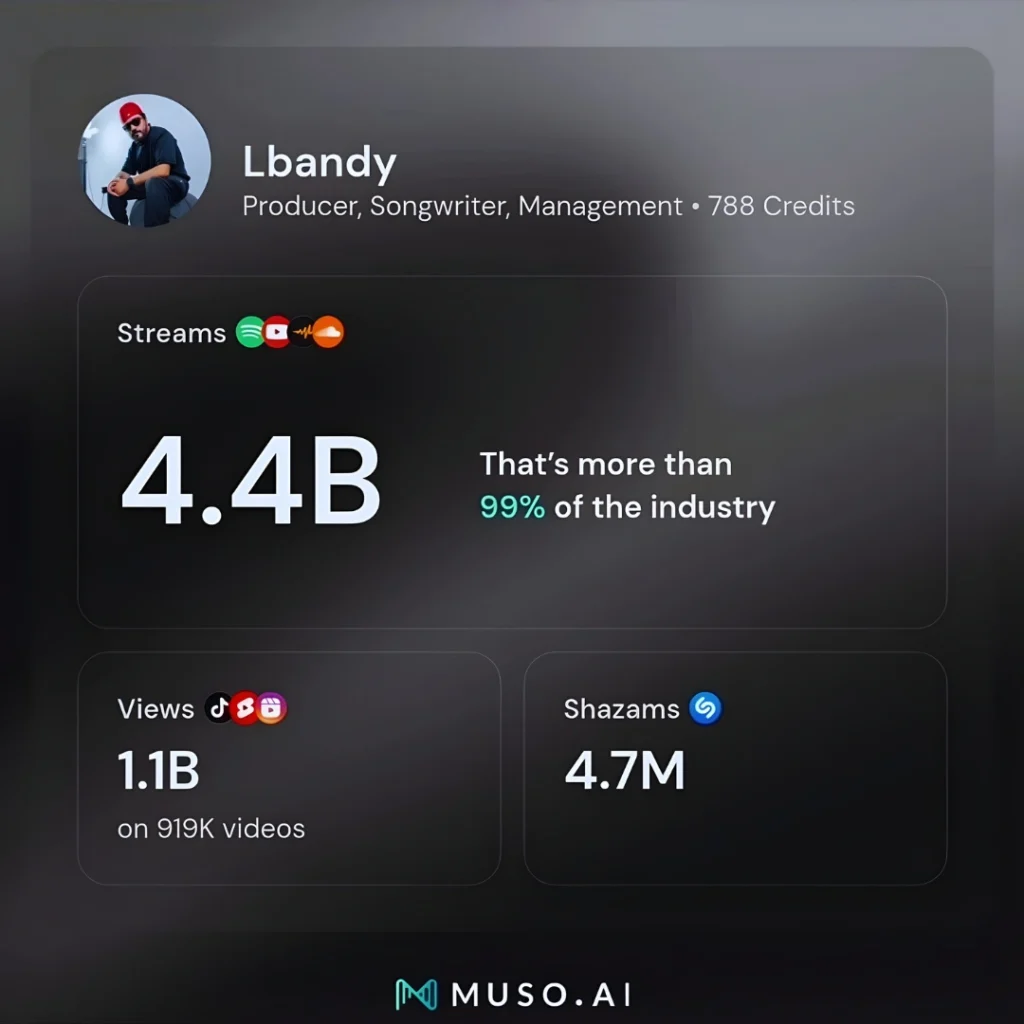
Lbandy has established a legacy that redefines the scope of an influential music figure in the 21st century. His career is less a single path and more a complex network of creative and commercial ventures, all anchored by a foundational passion for Moroccan and regional music. He is simultaneously a preservationist of authentic local sound through the Morap movement, a power player in the global music industry as a Senior A&R executive, and a forward-thinking entrepreneur shaping the technical tools of production.
By merging his diplomatic skills, technical creativity, and marketing expertise, Lbandy has not only built a formidable brand for himself but has also effectively elevated Moroccan hip-hop and Middle Eastern urban music to a higher stage, proving that the most valuable music executive is often one who understands art, business and people equally well.
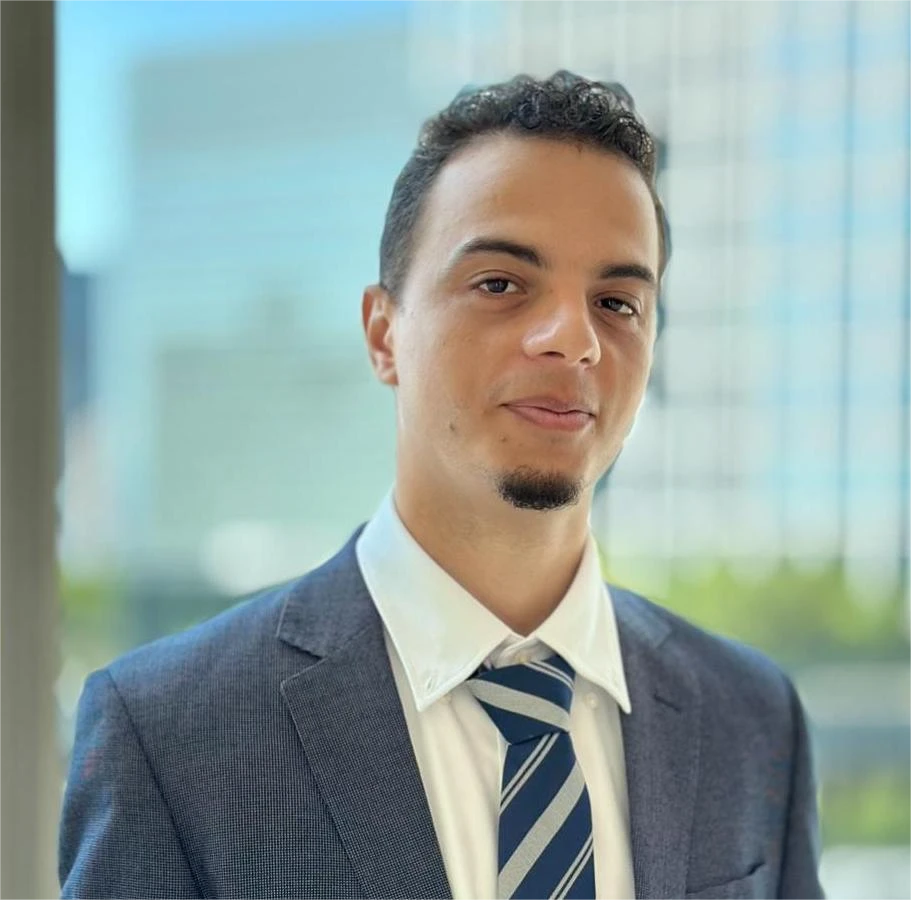
Written by:
Ben Tarki Moujahid
Listen to Lbandy's music
Author
 View all posts
A music critic and a researcher, Moujahid writes in-depth articles analyzing Moroccan and global hip-hop, blending insights from industry experts into compelling, well-rounded critiques. Beyond writing, he plays a pivotal role in shaping the magazine's editorial vision, refining its tone, structure, and style to elevate the reader's experience. As the lead editor, Moujahid meticulously oversees and polishes nearly all published articles, ensuring the magazine maintains its reputation as a trusted and influential voice in music journalism.