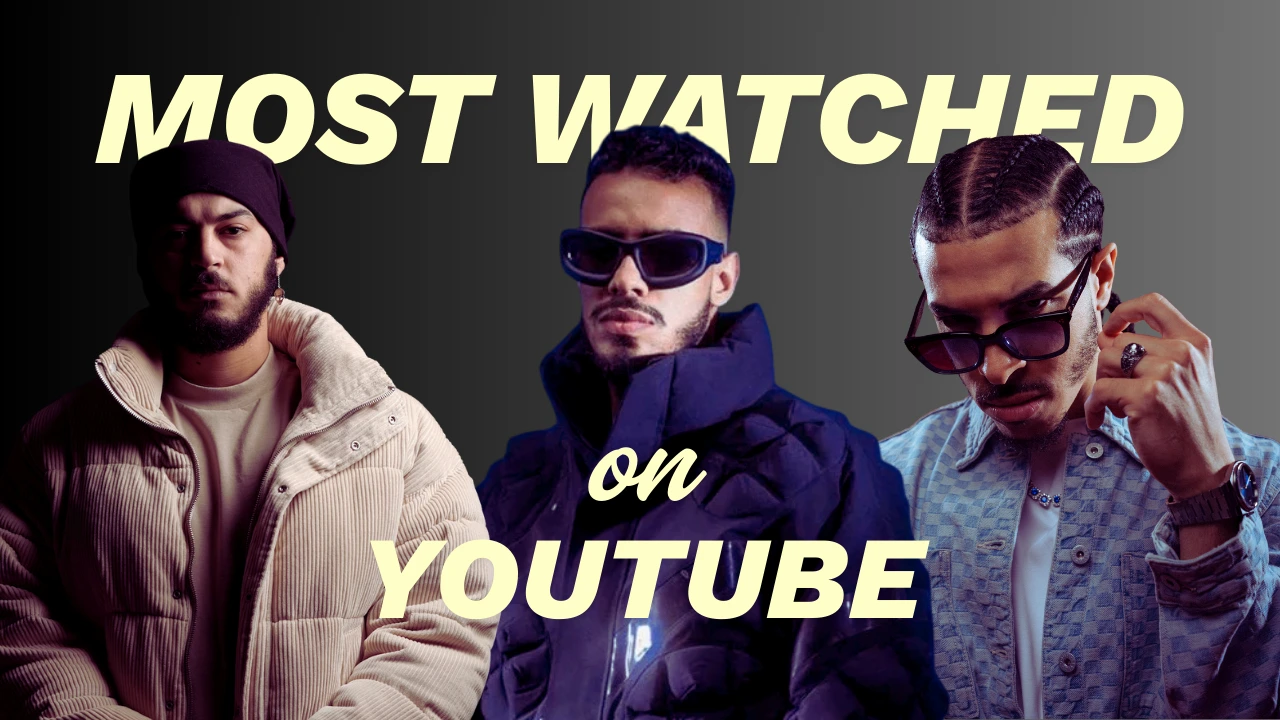
10 Most-Watched Moroccan Rappers on YouTube (2025 Edition)
Moroccan rap has become one of the Arab-speaking world’s most powerful forces, turning social commentary, street poetics, and crossover experimentation into billions of streams. This list focuses strictly on rappers as of the end of 2025. We deliberately excluded artists who started as rappers but have largely shifted away from rap (such as L7or and Lbenj), as well as singers whose catalog includes some rap-leaning tracks but is predominantly non-rap (like Manal). Within those boundaries, these are the ten most-watched Moroccan rappers on YouTube, ranked by total channel views:
10. Don Bigg
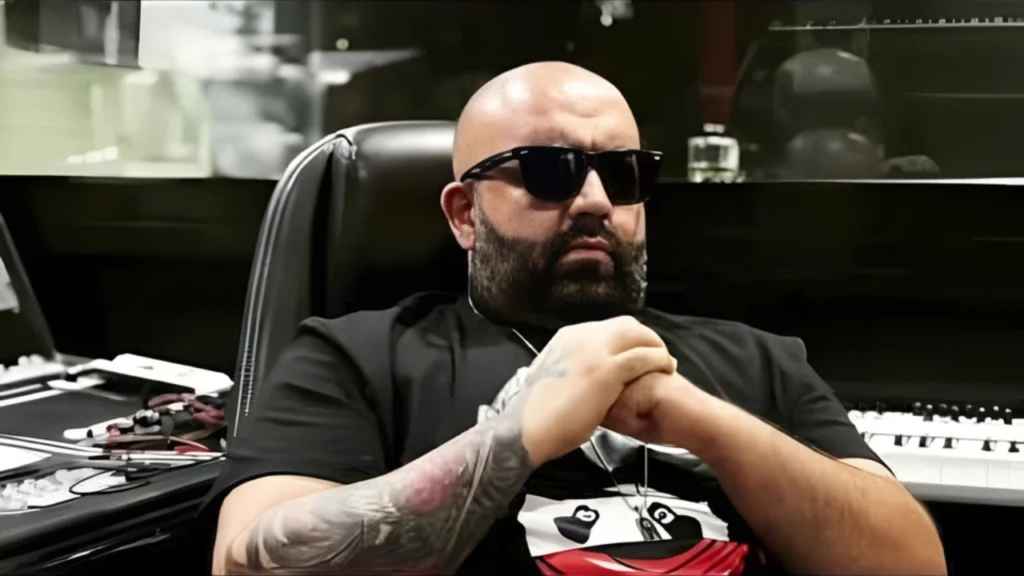
Don Bigg’s influence on Moroccan rap is impossible to escape, and his YouTube presence reflects a legacy more than a pure numbers game. With around 266 million views and 1.6 million subscribers, he remains a cornerstone figure, especially given that he joined YouTube early, on April 1, 2009, and has since uploaded 204 videos. His channel is a bridge between generations, featuring solo classics, crossover hits, and collaborations with newer stars.
- Total views: 266M+ / Subscribers: 1.6M+
- Joined: Since Apr 1, 2009 / Video count: 204 videos
“170 KG,” with 41 million views, is one of the most iconic diss tracks in Moroccan rap history. Aimed squarely at the new generation, it focuses heavily on figures like 7liwa, Dizzy Dros, Komy and others, names that even appear on the single’s cover art. The track triggered one of the best-known and most influential rap beefs in Morocco, crystallizing the generational tension between pioneers and rising stars.
The most memorable answer came from Dizzy Dros with “Moutanabbi,” a single, devastating response that matched “170 KG” in scale and impact. Unusually, the feud essentially consists of one diss track from each side, yet both records are so defining that the “short” beef still ranks among the most significant in the country’s rap history.
“LMERYOULA,” his collaboration with pop singer Ihab Amir, has 33 million views. “L’étranger,” featuring Algerian star Reda Taliani, 17 million views, is another example of cross-border appeal within the Maghreb, underlining how Don Bigg helped normalize collaborations that blur national lines in Moroccan music. The track “DDD” with ElGrandeToto, 16 million views, closes the generational loop: one of the scene’s founding figures trading bars with one of its current streaming kings. The numbers may be lower than some of his younger peers, but Don Bigg’s impact is baked into the foundations of the Moroccan YouTube rap ecosystem itself.
9. Dizzy DROS
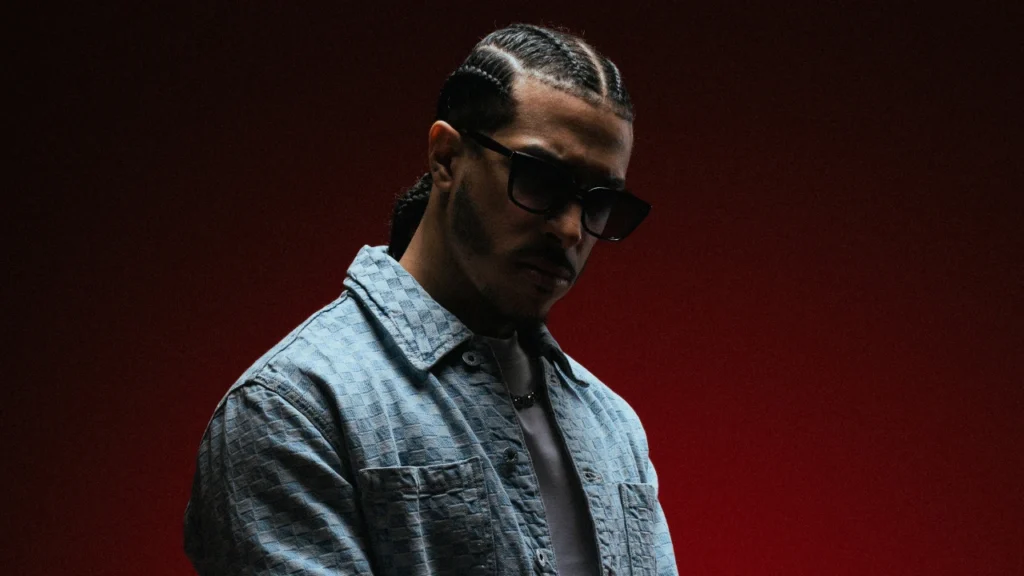
With around 350 million views and 2.4 million subscribers, Dizzy DROS is one of Moroccan rap’s most recognizable names internationally. Since joining YouTube on January 30, 2011, he has dropped 51 videos, many of them structured as high-production, narrative-driven clips that go viral beyond the usual rap circuits. His strength lies not just in audio numbers but in turning each release into a cultural event.
- Total views: 350M+ / Subscribers: 2.4M+
- Joined: Since Jan 30, 2011 / Video count: 51 videos
“M3A L3ECHRANE” is his flagship release, with 93 million views and an often-cited status as one of the best music videos in Moroccan history. The song is fiercely critical of government and power structures, but its success also rests on Dros’s acting and narrative ambition. In the clip, he embodies multiple characters, some inspired by public figures and other artists, as well as journalists and politicians, essentially staging a one-man cast.
The video recreates iconic global and regional moments, such as the shoe thrown at George W. Bush, and fills the screen with layers of symbols and references. For viewers who pay close attention, it becomes a dense visual puzzle; for casual audiences, even those who don’t understand Moroccan Arabic or the local context, it remains gripping and cinematic. Dros later reaffirmed his acting chops in the music video of “Stk Stk” (ft. Kekra).
“RDLBAL,” featuring Komy, sits at 45 million views and extends his legacy of sharp-eyed commentary packaged in accessible bangers. “Moul Ballon”, 31 million views, is both an advertisement and a tribute, tying into football culture while saluting Morocco’s long and emotional relationship with the sport. “NOTA”, 29 million views, reveals a more romantic, emotionally driven side. Overall, his view counts suggest that when Dizzy Dros releases, the audience expects more than just a track; they expect a short film and a cultural statemnet.
8. Inkonnu
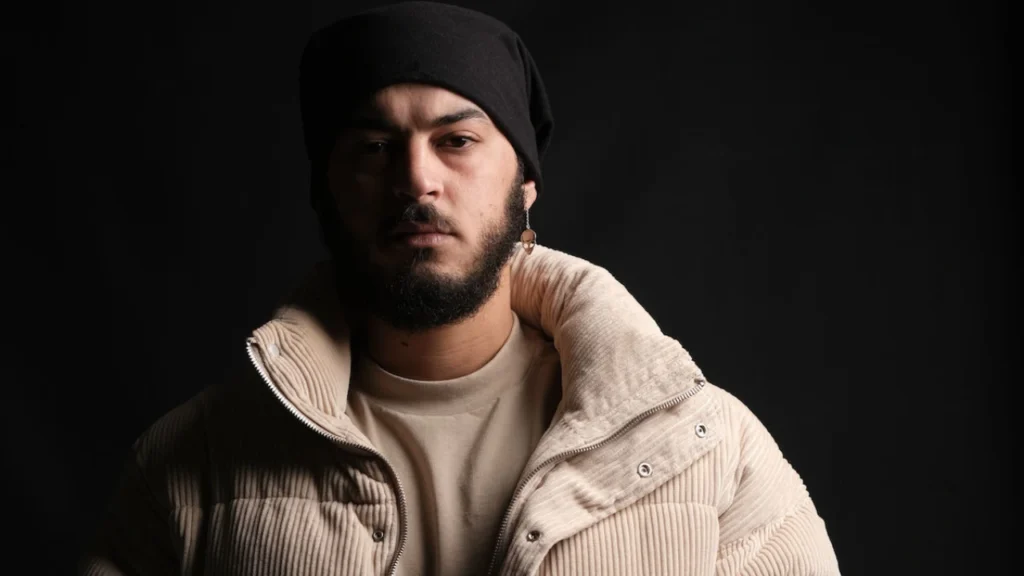
Inkonnu’s rise on YouTube is less about sheer quantity and more about precision. With approximately 360 million views and 1.4 million subscribers, he has achieved that reach with just 29 videos since August 15, 2016, an unusually high efficiency ratio. His name is synonymous with technical skill: rapid flow switches, intricate rhyme schemes, and conceptual cohesion.
- Total views: 360M+ / Subscribers: 1.4M+
- Joined: Since Aug 15, 2016 / Video count: 29 videos
His track “ZAHRI” leads his channel with 59 million views, and for many listeners it is the perfect showcase of what makes Inkonnu special: flow switches, sophisticated rhythms, and a distinctive delivery. “MORAL” featuring NOUVO, at 36 million views, continues in that vein, with both production and vocal performance tightly locked.
“7ALI YA 7ALI” and “Arabi” (music video) sit at 33 million and 31 million views respectively. Notably, three of these four flagship songs are lyrics-only uploads, with minimal visual storytelling, yet they still pull in tens of millions of views. That fact alone shows how much audiences gravitate toward Inkonnu’s delivery, flow, and writing, even without elaborate video support.
Stylistically, all four sit within a modern pop-rap framework: melodic, hook-driven, and accessible, but still technically demanding. “Arabi” doubles down by blending that pop-rap sensibility with Morap, the distinctly Moroccan subgenre that pulls from local rhythms and cadences. All four tracks carry the #Arabii tag, marking them as part of his debut studio album Arabi (2021), a favorite of fans and music experts, which went on to be ranked the 5th most-streamed album in Morocco in 2025, a rare case of a Moroccan album still charting years after its release date.
7. PAUSE
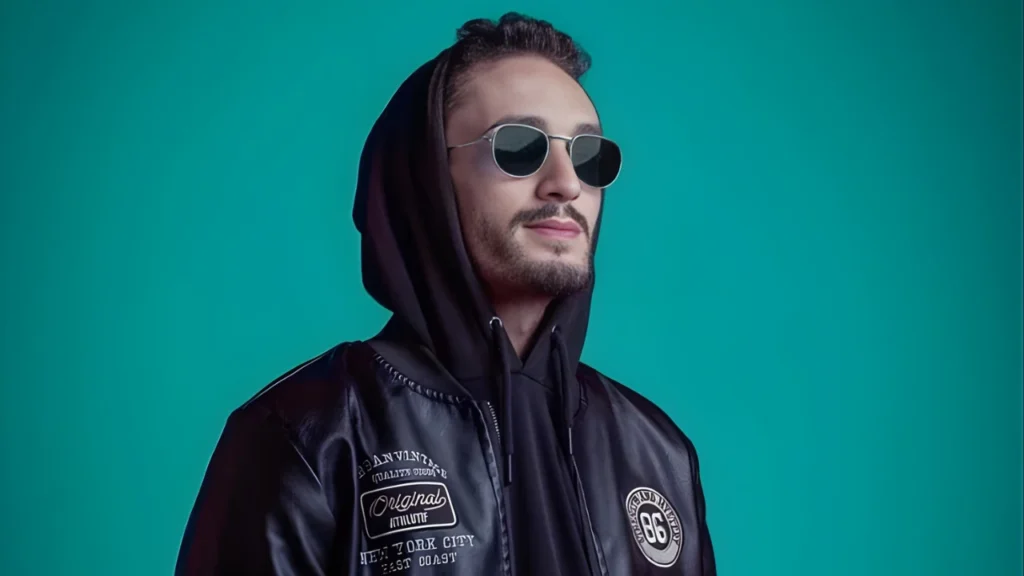
PAUSE, (formerly Pause Flow), operates at the intersection of lyricism, political critique, and avant-garde concepts, and his YouTube numbers demonstrate a strong appetite for intellectually charged rap. With about 370 million views and 2.2 million subscribers, he has built a significant following off just 84 videos since joining on September 8, 2011. His catalog is rich in extended plays and concept tracks that function almost as essays over beats.
- Total views: 370M+ / Subscribers: 2.2M+
- Joined: Since Sep 8, 2011 / Video count: 84 videos
“LYAM”, from the EP METAMORPHOSE, is his most-viewed track with 21 million views. The song is sharply critical of the Moroccan government and the broader domestic situation, a recurring thread in his work. Rather than relying solely on provocation, Pause builds dense narratives and wordplay, which helps the track circulate as both entertainment and political commentary.
Two of his core songs, “Ouroboros” and “Megalomania,” taken from the EP SOLARIS, sit at 18 million and 15 million views respectively and are considered among his best work by the community. “Ouroboros” is profoundly critical, politically charged, and tightly written over a captivating beat; it’s often cited as a benchmark for Moroccan conscious rap.
“Megalomania” operates as a hybrid: part diss track, part social critique, and a technically sharp song in its own right. The track sparked his high-profile beef with Figoshin, a feud widely ranked among the top 10 rap beefs in Morocco, helping cement Pause’s image as both an elite writer and a fearless provocateur. “L’Bayda Mon Amour,” a rai-infused song about drugs and love, adds another 18 million views and highlights his ability to step into more melodic, narrative-driven territory without losing his signature edge.
6. Stormy
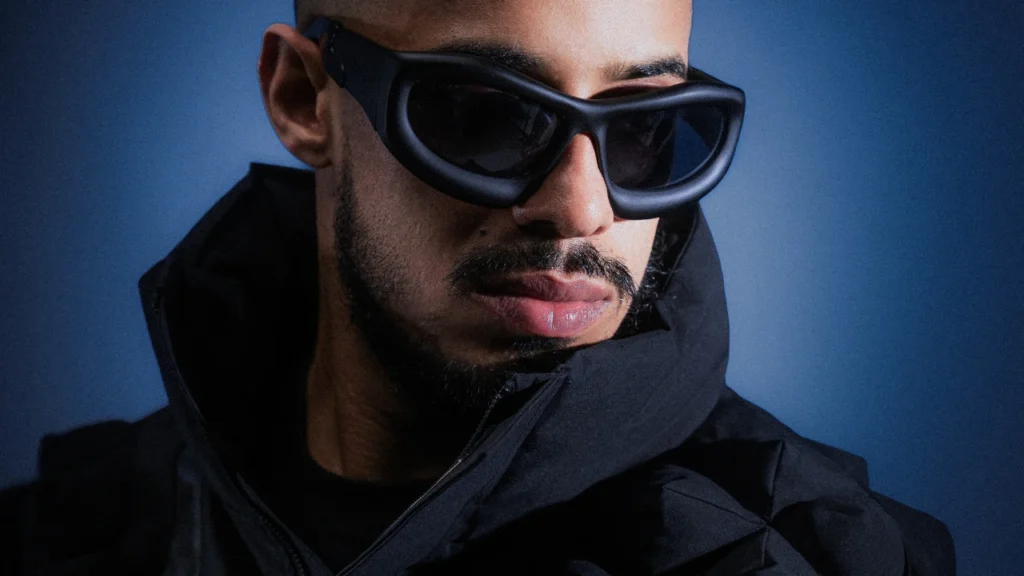
Stormy’s rise is a story of global sonic influence fused with strong local branding. With around 404 million views and 1.1 million subscribers, his catalog, 68 videos since February 14, 2016, leans heavily on high-concept singles that pull from Brazilian funk, Afrobeats, and contemporary trap while keeping lyrics and identity firmly Moroccan.
- Total views: 404M+ / Subscribers: 1.1M+
- Joined: Since Feb 14, 2016 / Video count: 68 videos
His runaway hit “POPO” is one of the most compelling examples of cross-cultural rap from Morocco. The Brazilian funk-inspired track, filmed in Rio de Janeiro, has amassed 57 million views and became a regional success, peaking at No. 11 on the MENA chart. The visual, a Moroccan rapper fully immersed in Brazilian street culture, gave the song a transnational identity that YouTube’s algorithm loves.
“AFRICAIN” (Music Video) with 32 million views is widely seen as one of his signature records, helping him solidify a dedicated fan base by doubling down on African identity and pan-continental pride. Interestingly, the lyrics-only iteration, “AFRICAIN” (Lyrics Video), has scored another 23 million views, underscoring how strong the song is on its own, independent of visuals.
Meanwhile, “MOON”, with 29 million views, became the second most-streamed song of the year in Morocco (on Spotify) and stayed on Billboard Arabia for 16 weeks. That balance, one global hit filmed in Rio, one pan-African anthem, and a melodic charting single, positions Stormy as a key export-ready figure in modern Moroccan rap.
5. Lferda
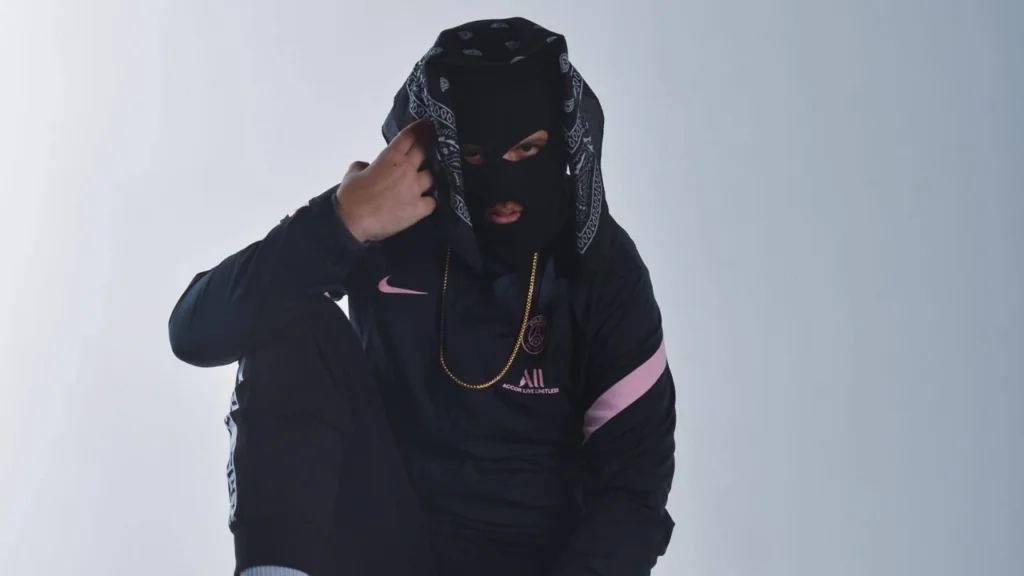
Sitting at about 510 million views and 2.6 million subscribers, Lferda brings a distinct mix of raw street energy and melodic sensibility to one of the biggest and most faithful fan bases in Moroccan hip-hop. He joined YouTube on January 10, 2017, and has since released 88 videos. His channel performance is driven by a cluster of tracks that live at the intersection of emotional storytelling, catchy refrains, and tightly produced beats.
- Total views: 510M+ / Subscribers: 2.6M+
- Joined: Since Jan 10, 2017 / Video count: 88 videos
“2030”, with 32 million views, showcases Lferda’s forward-looking, slightly dystopian vision, framing social anxieties against projections of the future. “Ma Jolie,” an official audio that has accumulated 31 million views, is widely regarded as one of his most popular and well-received songs. Its melodic core and emotional resonance show that Lferda’s appeal is not limited to hard-edged rap fans.
“GANAR”, 24 million views, and “LA WEED”, 22 million views, further define his brand: atmospheric beats, auto-tune, street-inspired writing, and a focus on the aspirations of everyday life. Lferda’s numbers reflect how a rapper can build a large YouTube footprint through a mix of visual clips and high-performing audio uploads.
4. Gnawi
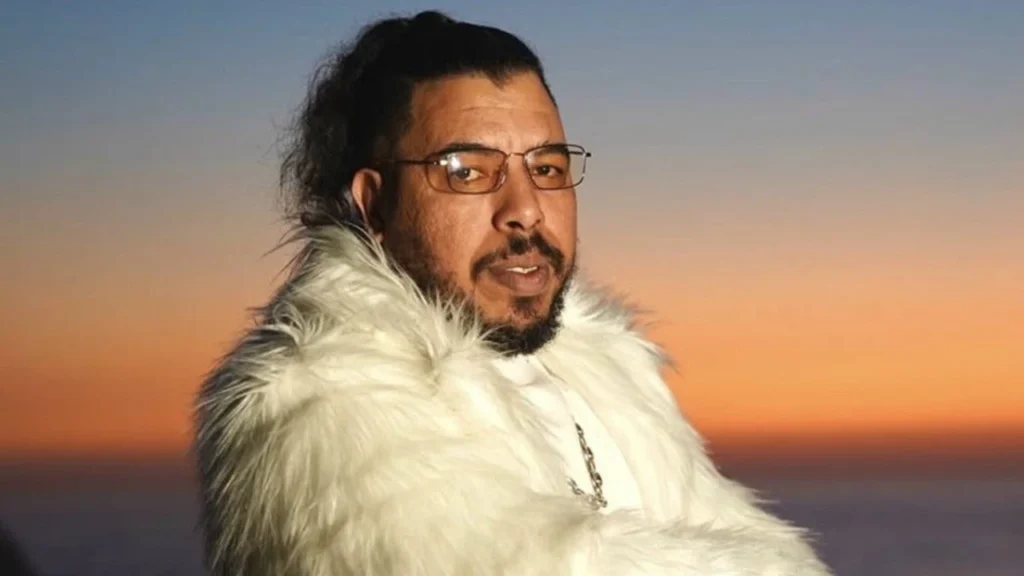
Gnawi’s YouTube trajectory is a case study in how politically charged and socially conscious rap can still dominate streaming. With roughly 533 million views and 2.6 million subscribers, his relatively lean catalog of 45 videos, since joining on November 19, 2015, averages extremely high engagement per upload. Much of his visibility comes from the way he weaves social critique into accessible hooks and striking visuals.
- Total views: 533M+ / Subscribers: 2.6M+
- Joined: Since Nov 19, 2015 / Video count: 45 videos
His standout record on YouTube is “AMAN RO3B”, with a massive 129 million views. The track’s heavy production create a visual and sonic identity that is instantly recognizable, helping it travel beyond core rap audiences. “TA7AROUCH”, 27 million views, is one of Gnawi’s most important cultural contributions: the track tackles sexual harassment and, crucially, the weaponization of false accusations that can ruin men’s lives. As one of his first big breakout songs, it functioned both as a statement record and a viral introduction to his worldview.
“KON KAN,” featuring DJ Jimmy-B, 24 million views, operates as an “if it were…” style piece, using hypothetical scenarios to comment on social inequalities and missed opportunities. “Deniya Belmal” with Kap2, 22 million views, continues this pattern, offering a bleak but honest mirror of social realities. Gnawi’s channel metrics suggest that there is a sustained audience for politically aware content, and that controversy, far from limiting reach, can in fact amplify engagement on YouTube when paired with strong music and relatable lyrics.
3. Moro
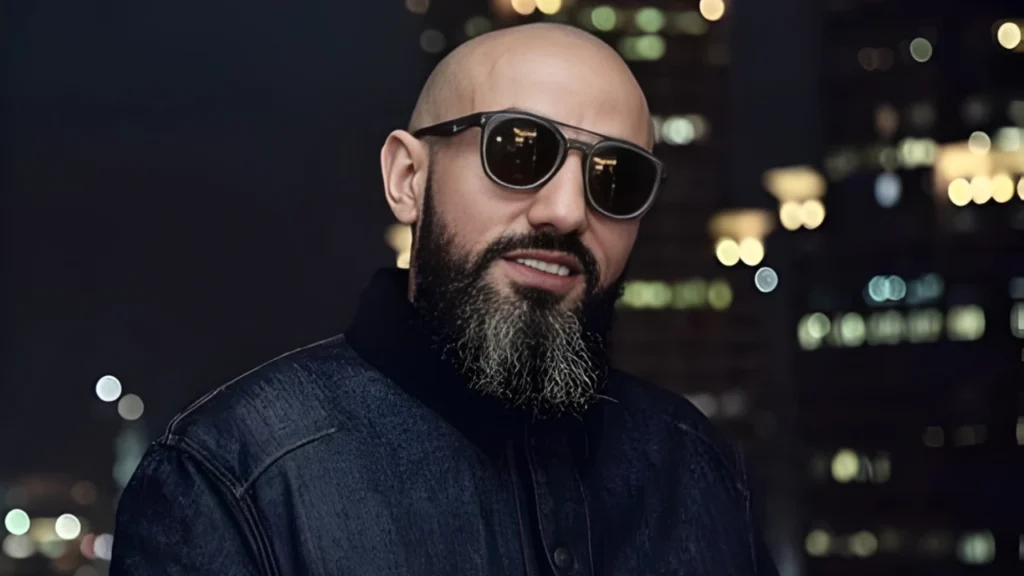
With around 585 million views and 2.4 million subscribers, Moro occupies a crucial middle space in Moroccan rap: experimental enough to stand out, yet accessible enough to draw large numbers. Since joining YouTube on July 26, 2009, he has released 254 videos, building a catalog that touches gangsta rap, drill, local folk elements, and cross-genre collaborations.
- Total views: 585M+ / Subscribers: 2.4M+
- Joined: Since Jul 26, 2009 / Video count: 254 videos
“GODZILLA” is his most-watched standalone track with 28 million views, an aggressive entry that suits its monstrous title. Where Moro truly distinguishes himself, however, is in his ability to flip global styles through a Moroccan lens. “KIF KIF REMIX LA ZONE – MORO / CHEB BILAL / PROFIT ZA3IM,” at 26 million views, reworks an originally drill-oriented song but injects it with local instruments and rhythms. The result is a Morap hybrid that feels both street and folk, highlighting how YouTube rewards culturally specific reinterpretations rather than copy-paste global trends.
Another key track, “TDNE – ZAKAMORIA,” with 18 million views, reinforces his niche as a stylistic chameleon. Moro’s numbers are fueled less by one or two megahits and more by a strong mid-tier of tracks that regularly pull in eight figures. This broad-based performance shows how consistent genre bending, coupled with strong visual identity, can build a durable YouTube presence.
2. Muslim

Muslim is one of the pillars of Moroccan rap, and his YouTube numbers underline how early adoption plus consistent output build a long-term empire. With 1.2 billion views and 3.5 million subscribers, he matches ElGrandeToto in total watch-time while operating from a very different era and aesthetic. Having joined YouTube on November 21, 2006, he has released 394 videos, by far one of the deepest discographies on this list.
- Total views: 1.2B+ / Subscribers: 3.5M+
- Joined: Since Nov 21, 2006 / Video count: 394 videos
His biggest track on the platform is “Mama”, at 214 million views. Unlike many tribute songs that come posthumously, this is an ode to his mother who is still alive, which injects the record with gratitude and vulnerability rather than grief. The track is proof that even an audio-only upload can dominate when the emotional core is strong enough. “RMADI” follows with 117 million views, cementing Muslim’s status as a hitmaker with staying power.
Two more pillars of his channel, “My Lady”, 115 million views and “SKATI”, 98 million, showcase different sides of his artistry. “My Lady” is widely reported to be dedicated to his wife, Moroccan actress Amal Essaqr, highlighting a more romantic, personal angle that broadens his audience beyond hardcore rap fans. “SKATI,” meanwhile, leans back into the introspective and street-aware mode that built his original fanbase. Together, these four tracks illustrate why Muslim’s channel is a textbook case of how to convert early credibility into enduring streaming relevance.
1. ElGrandeToto
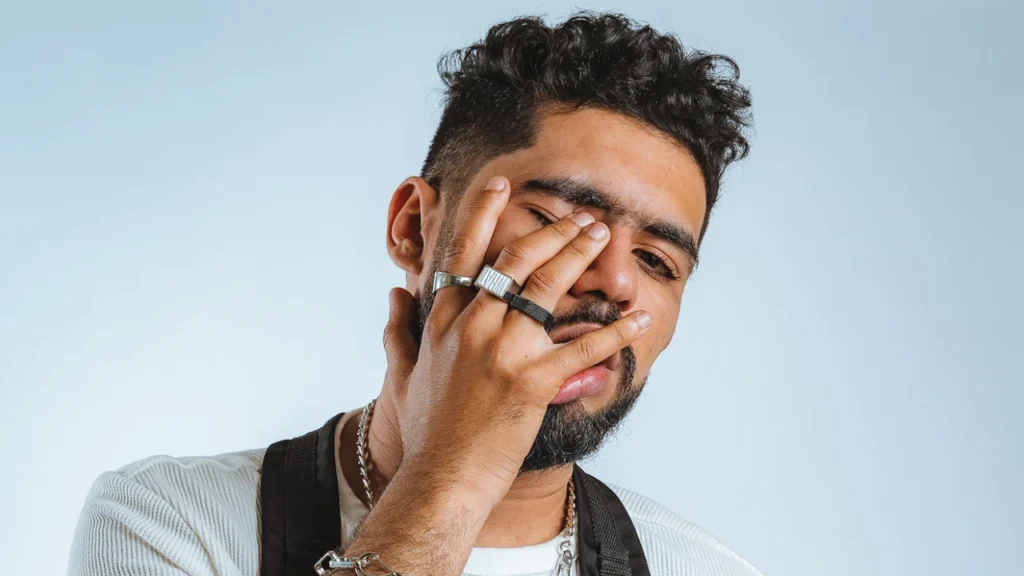
With more than 1.2 billion total views and 3.9 million subscribers, ElGrandeToto stands at the front of the Moroccan rap wave on YouTube. Since joining the platform on July 17, 2016, he has managed to turn just 77 videos into a streaming empire, proof of how concentrated and replayable his catalog is. Toto’s channel shows a calculated mix of album singles, high-impact visuals, and carefully rolled-out collaborations that keep both the local and diaspora audience engaged.
- Total views: 1.2B+ / Subscribers: 3.9M+
- Joined: Since Jul 17, 2016 / Video count: 77 videos
His most-watched track on YouTube, “Mghayer” has crossed 143 million views. Beyond its numbers, the song carries emotional weight: it’s a tribute to his mother, released around the time of her passing in 2021, and that personal core likely contributed to its long-term resonance.
“Diplomatico” has added 49 million views but is even more impressive on the metrics that matter to the industry: it spent 58 weeks on Billboard Arabia, peaked at No. 9 on the MENA chart, ranked as the 5th most-streamed song of the year in Morocco (Spotify), and nominated at AFRIMA for Song of the Year.
Toto’s catalog balances emotional depth with swagger and high-profile collaborations. “HORS SÉRIE” with Don Bigg, Draganov, and Khtek has surpassed 42 million views. Meanwhile, “Haram (Pablo II)”, with 40 million views, leans into his darker, more cinematic side. Together, these releases explain why his average view-per-upload ratio is among the highest in the country.
What These Numbers Say About Moroccan Rap
Taken together, these ten channels represent several billion YouTube views and a cross-section of Moroccan society: from deeply personal odes to mothers and wives to relentless political critique, and from drill remixes with local instrumentation to Brazilian funk-inspired bangers. The data reveals a few clear themes:
First, depth over volume: Several of the most-watched names (e.g. DROS & Inkonnu) have relatively few uploads but extremely high averages per video, suggesting a focus on major releases; and second, social critique sells: Tracks that address government, injustice, social hypocrisy, and gender dynamics (e.g. Gnawi & Pause) regularly appear among the top performers. Politically and socially charged rap seems to be central to Morocco’s hip-hop ears and eyes.
By the end of 2025, these ten artists, through billions of plays, hundreds of videos, and a growing presence on regional charts like Billboard Arabia and the MENA Official rankings, have turned their channels into both artistic platforms and statistical proof that Moroccan rap is firmly part of the global digital music conversation, and possibly the biggest hip-hop force in the MENA region.
Written by:
Ben Tarki Moujahid
Author
 View all posts
A music critic and a researcher, Moujahid writes in-depth articles analyzing Moroccan and global hip-hop, blending insights from industry experts into compelling, well-rounded critiques. Beyond writing, he plays a pivotal role in shaping the magazine's editorial vision, refining its tone, structure, and style to elevate the reader's experience. As the lead editor, Moujahid meticulously oversees and polishes nearly all published articles, ensuring the magazine maintains its reputation as a trusted and influential voice in music journalism.