

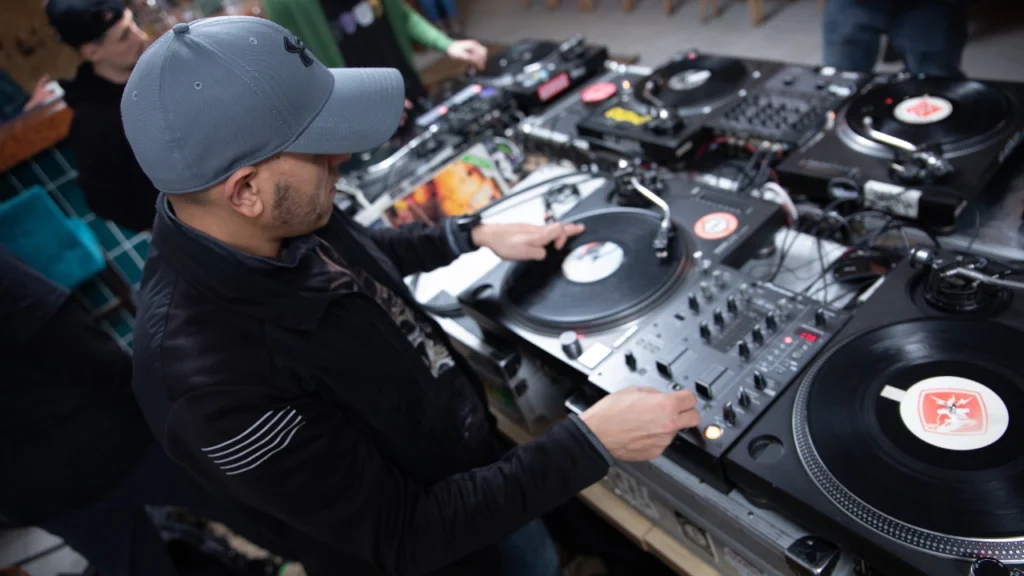
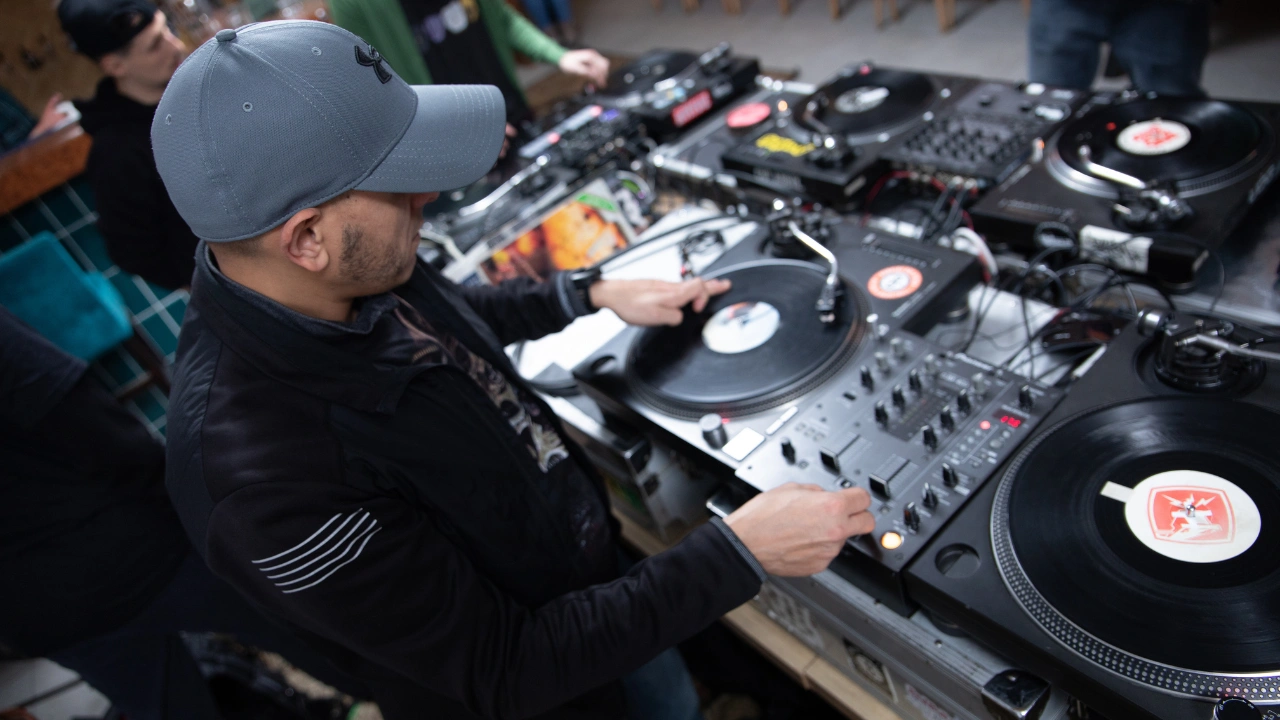
DJ Skull: Among Africa's Last Active Turntablists
Born in 1982 in Agadir, DJ Skull, born Achraf, emerged from the crossroads of Amazigh cultural rhythms, street dance gatherings, and Morocco’s early hip-hop movement to become one of the most respected scratch DJs to come out of Africa. His path began not with professional equipment, but with cassette-based mixing in the late 1990s, long before Morocco had the infrastructure for hip-hop education or DJ culture. All started with passion, from the breakdance sessions held on marble floors outside a supermarket, to studying in France while carrying turntables across borders, to co-founding online communities that helped further push turntablism culture worldwide.
After years of building communities, battling, and training with international mentors, Skull stepped away from the craft for a full decade, selling his equipment and disconnecting from the scene entirely. Yet when he returned, it was with renewed determination, a rebuilt network, and a competitive mindset that pushed him back into international circuits, eventually earning recognition in major battles across Europe, North America, and online scratch leagues.
In a conversation with our magazine, Dj Skull discussed his cultural foundations in Agadir, the mentors and rivals who shaped his growth, the philosophy behind his data-driven practice regimen, and the collaborative spirit that lives in La Cave, his home-studio now filled with vintage mixers and turntables, and how it evolved into a hub where scratch artists from around the world come to train, spar, and collaborate.
Origins in Agadir: Culture, Dance Circles, and Early Influences
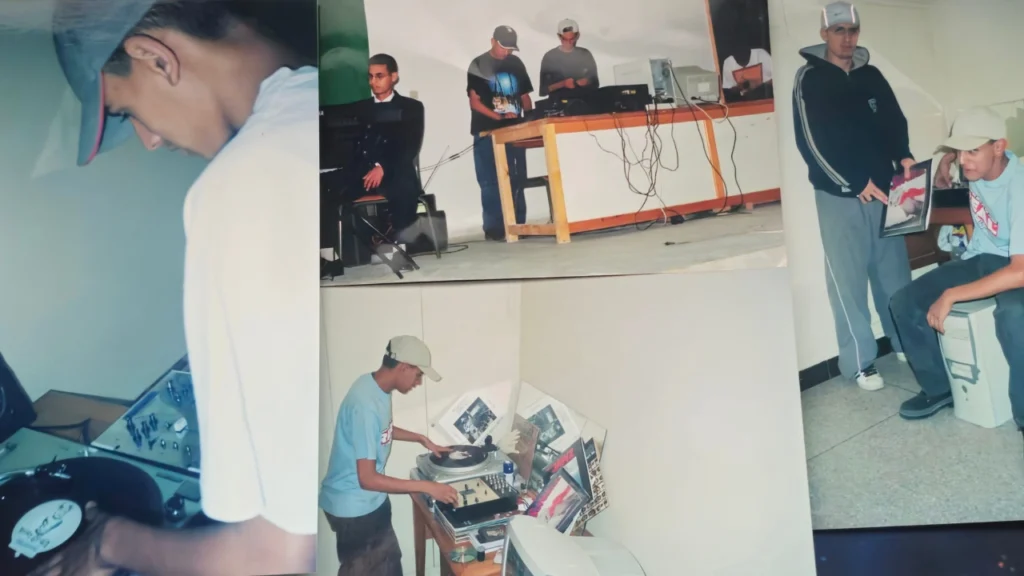
Skull traces his earliest artistic impulses to Agadir’s Amazigh cultural landscape. He grew up surrounded by local rhythms, indigenous musical forms tied to communal drumming, trance traditions, and celebratory street performance. “My influences first came from Gnawa, Ahwash, and Boujloud vibes,” he said, describing Agadir as a city where “Amazigh culture is the pulse of the region, you feel it everywhere.”
His first spark came not from clubs or studios, but from improvised public gatherings. Outside Jawhara supermarket, local youth gathered to breakdance until security shut them down. Skull recalls, “a pharmacy next to Jawhara used to leave the lights on at night, and the marble floor was perfect for breakdancing. People danced until they got chased away by security.” This raw street environment formed his earliest exposure to hip-hop as a social practice.
Hip-hop reached Agadir in the ’90s via satellite TV, dubbed VHS tapes, and travelers returning from Europe. Skull credits Samir, a local acquaintance, with introducing him to the idea of DJing at parties. While Casablanca was the country’s DJ epicenter, Skull became part of an emerging Agadir faction that positioned itself as a rival cultural hub. “We were competing with Casablanca,” he explains. On one side was the ‘Original Hip-Hop‘ crew from Casablanca, led by DJ Key, one of Morocco’s most influential DJs. On the other, Agadir’s ‘Real Hip-Hop‘ crew was founded and represented by DJ Suspect.
VIDEO: 2024 DMC Scratch Online Round 1 – DJ Skull (Morocco) | Uploaded on Aug 30, 2024, by DMC World
Discovery of Turntablism and the Casablanca–Agadir Connection
Skull’s gateway into turntablism came through DJ Suspect, who returned to Agadir after a period based in Casablanca. Skull describes witnessing scratching for the first time as life-changing: “He showed me records and turntables. I didn’t know anything about scratching before. When he started scratching: the hand movements, the reversed sounds, you know, the ‘fresh’ and ‘ah’ sounds, everything sounded so dope. I was mesmerized.” Suspect introduced him not only to equipment, but to a wider network, including DJ Mak and several b-boys in Agadir.
He built his influences across continents: American names like DJ Qbert and D-Styles, French acts like DJ Netik, and Rash, and legendary crews such as BNN (Birdy Nam Nam) and ISP (Invisibl Skratch Piklz), pioneers widely regarded as turntablism icons. These early years formed his technical identity and built his competitive ethos. Skull emphasizes that performance requires presence and audience intention: “I never perform at clubs where people are drunk. I need people to pay attention to my craft. Scratching for drunk folks is a disrespect to turntablism.”
France, Community Building, and Founding Beat4Battle (2003–2006)
In 2003, Skull moved to Paris to study. Rather than travel light, he brought his mixer (Vestax PMC-05) and a turntable (pdx-2000 Pro) across continents. “I was deep in love. I couldn’t leave them behind even though I was going to study,” he said. There, his earliest connects were DJ Fa and DJ Impact from KSFK Crew. This led to a mentorship under DJ Djaz, with whom he spent hundreds of hours to rigorous training. But online, he and other DJs faced elitism from major forums like HandControl. “They were elitist, we didn’t feel welcomed,” Skull recalls.
In response, he co-founded Beat4Battle, which quickly became a major global turntablism hub. The movement spread internationally, inspiring communities under the same name in Korea, Dubai, and beyond. This initiative was rooted in his belief that growth requires human connection rather than isolation: “If you want to evolve, don’t just stay at home. Even if everything is online, you need to go outside, meet others, spar with others, connect.”
DJ Skull: The Hiatus (2007) and The Return (2017)
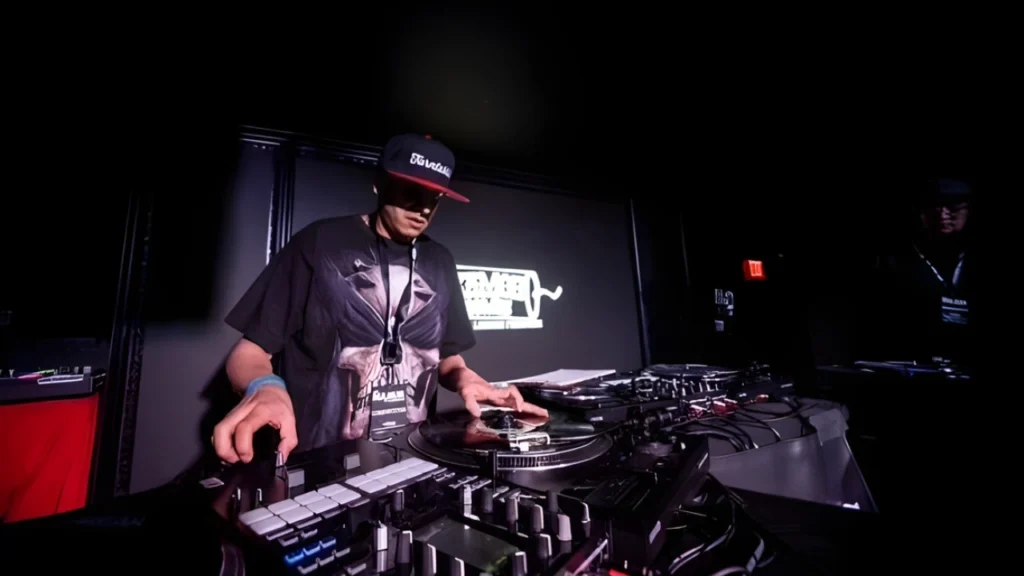
After years embedded in Europe’s DJ culture, Skull stepped away entirely for family and work reasons. “I stopped altogether for around 10 years,” he said. He sold his equipment and disconnected from music circles, though he never stopped following the culture. “My fingers stopped, but not my heart,” he explained, emphasizing that he continued watching every major competition worldwide.
Skull returned to the craft in 2017, rebuilding his technique from the ground up after a ten-year hiatus. Regaining muscle memory wasn’t instant, he spent more than a year practicing in isolation before stepping back into competitive arenas. His first major return was the Control Your Hands battle in 2019, became his personal turning point. “I felt like yes, I am back,” he told us, recalling the moment he realized the comeback was real.
From there, Skull began climbing international rankings year after year. He was selected as one of the Top finalists in the 2024 DMC Scratch Online competition, a field that featured over 70 DJs from 38 countries. Representing Morocco, he stood alongside internationally acclaimed competitors from South Korea, Chile, Japan, the U.S., and the U.K., marking a rare moment where a Moroccan DJ reached the upper echelon of one of the world’s most respected scratch competitions.
Skull also secured first place at Sample Music Festival in Berlin, earned runner-up positions at Portablist Lounge (London) and Show Yo Skillz (Zaragoza), and reached the Top 10 at the World Scratch Invitational in Los Angeles, a rarity for a Moroccan DJ. One of his most recent wins was UNSTOPPABLE battle in Bristol last December, named the Scratch Pit Champ of 2025.
Scratching Workout: DJ Skull's Training System
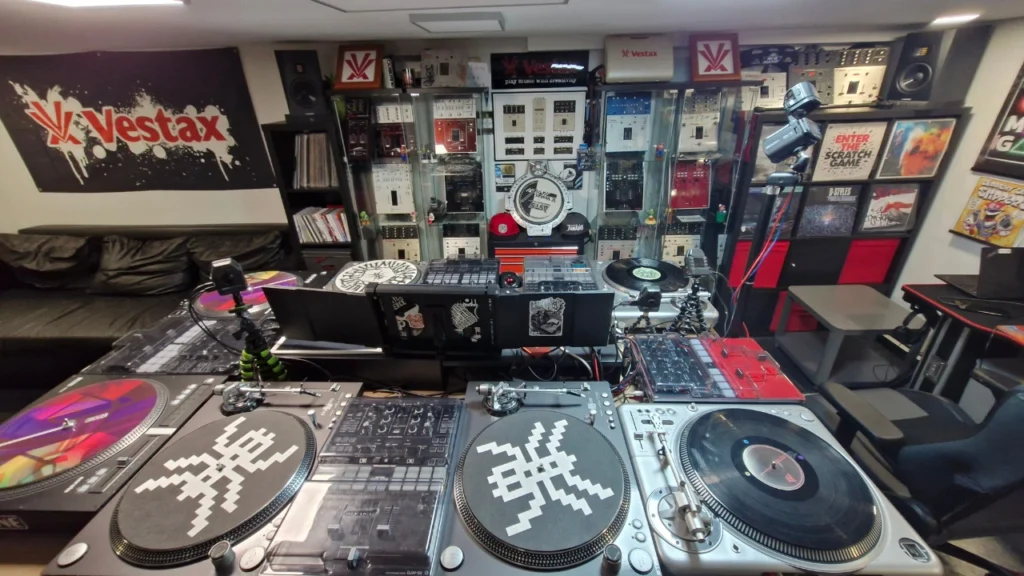
Unlike DJs who train intuitively, Skull uses a quantified practice structure based on spreadsheets, the same system used in esports, martial arts, and speedrun communities. He tracks minutes spent on each technique, categorizing them by BPM ranges (often 55–69 BPM and 105–119 BPM to control precision). Techniques like tears and chirps are logged until he “levels up” through stages: Noob → Advanced → Expert → Master.
He explains the philosophy simply: “We become more persistent when we’re older because we understand the consequences of our laziness.” Another philosophy is that he sees battles as a sport: “During competitions, we’re not friends. After, we get back. But I take competitions seriously. I give my best to be the best.”
La Cave: A Social Hub and Sparring Space for DJs
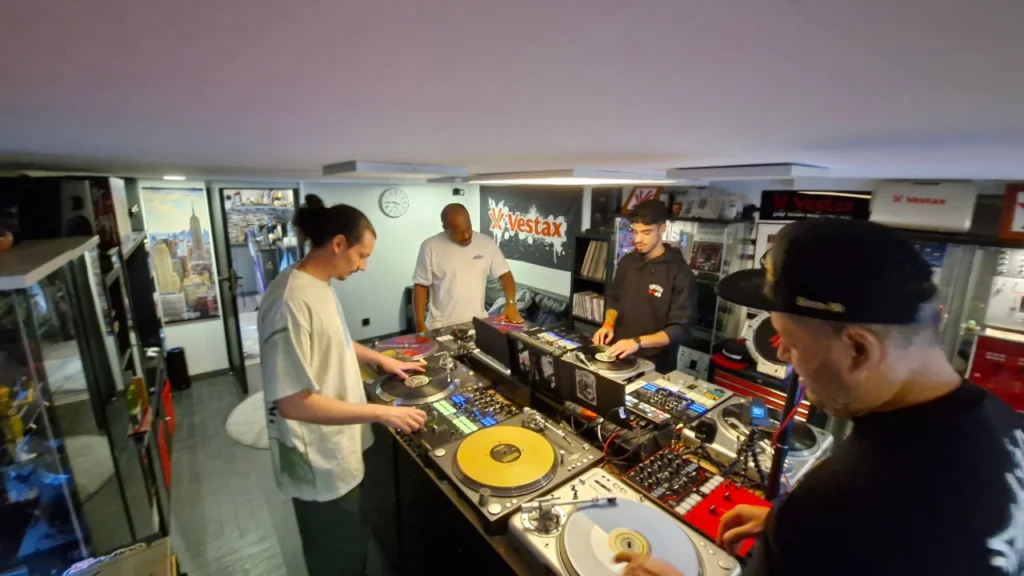
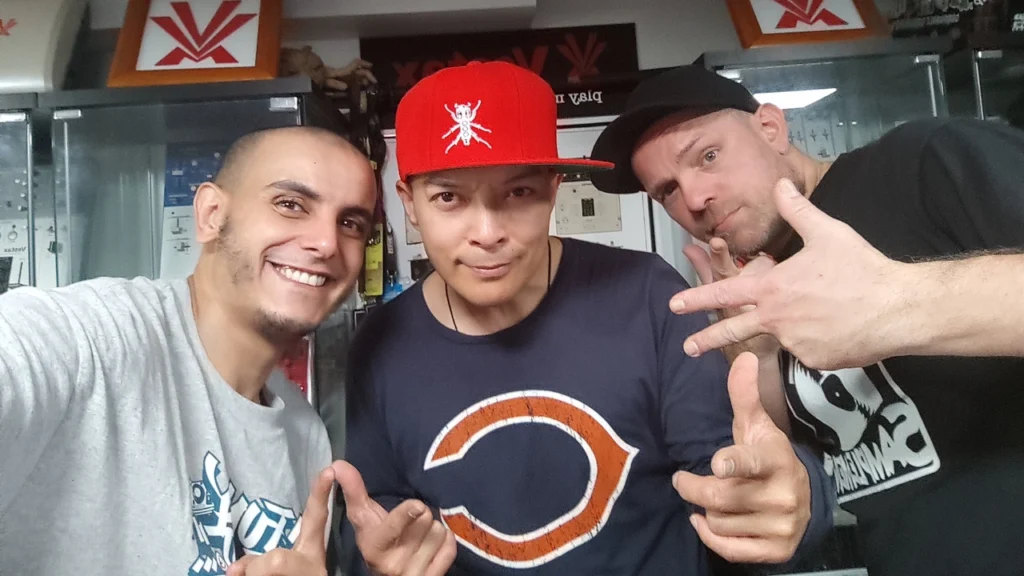
Skull’s home studio, known as La Cave (The Vault), is more than just a personal workspace. Packed with vintage turntables and mixers, scratch records, and scratch-built hardware prototypes, it operates as a micro-hub of the global turntablism scene. According to Skull, many of the world’s most respected DJs have passed through the space to spar and trade techniques. One visit in particular marked a turning point: a session with DJ Qbert, widely regarded as “one of the most influential DJs of all time” and a foundational figure in turntablism.
In a message he wrote after hosting Qbert at his home during the DJ’s trip to France, Skull described the encounter as deeply personal. “It was an unforgettable experience that I will cherish forever,” he wrote. Skull recalls that seeing Qbert perform at DMC World Championship convinced him that “I wanted to express myself as an artist on the turntables,” especially since he had no background in singing, dancing, or playing traditional instruments. He cites milestone inspirations including Wave Twisters, the DIY series, Scratch University, and the Wisdom of Wax lectures, saying Qbert has been “my guiding light in my scratch journey.”
Skull’s documentation includes a long list of international DJs who have visited La Cave to scratch. Among the most prominent are DJ Crazy B and DJ Moth from France, DJ Chell and DJ Chmielix from Eastern Europe, DJ Tommy P-Nuts from the UK, and several DJs from Japan including Sora, Noli, Haruto, and Kaito. The space has also welcomed Brazilian turntablists like DJ Shinpa, DJ Eric Jay, and DJ Raylan, as well as North American figures such as DJ Prolifix, DJ Gnius, DJ Funkra, and DJ Straps, from the US, and others like DJ Chederac, DJ Chmielix, DJ Nest and current DMC World champ Aociz; as well as his training partners: DJ Mirak, DJ Checksa and DJ Shivamalokran. Some of these visits are documented through photos, session footage, or shared events; others appear in private archives.
Conclusion: From Agadir to the World Stage
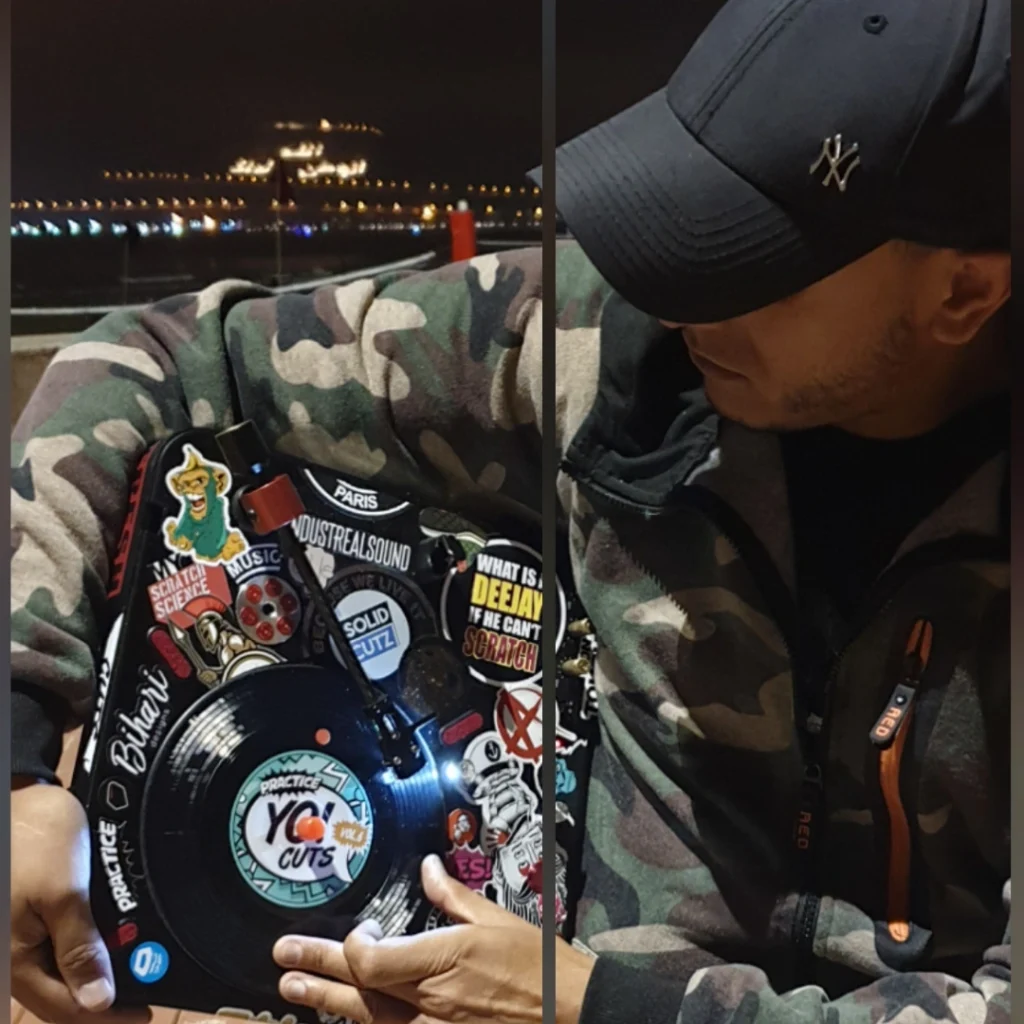
What began with K7 (cassette) experiments in late-90s Agadir evolved into community-building in Paris, the founding of scratch networks, battles across the world, a decade-long withdrawal from the scene, and ultimately a return powerful enough to reshape Morocco’s presence in the global DJ landscape. Today, Skull’s work extends far beyond competition rankings. His international workshops, collaborations across Japan, the U.S., Europe, and Latin America, all signal that his career is entering a new chapter.
Yet even with the acclaim, the goal remains pointed and personal. The journey isn’t complete until he earns the best title, as Skull puts it, “I want to be the best. I want to inspire, and I want to impact the scene in way that my name will never fade away.”
Written by:
Ben Tarki Moujahid
Author
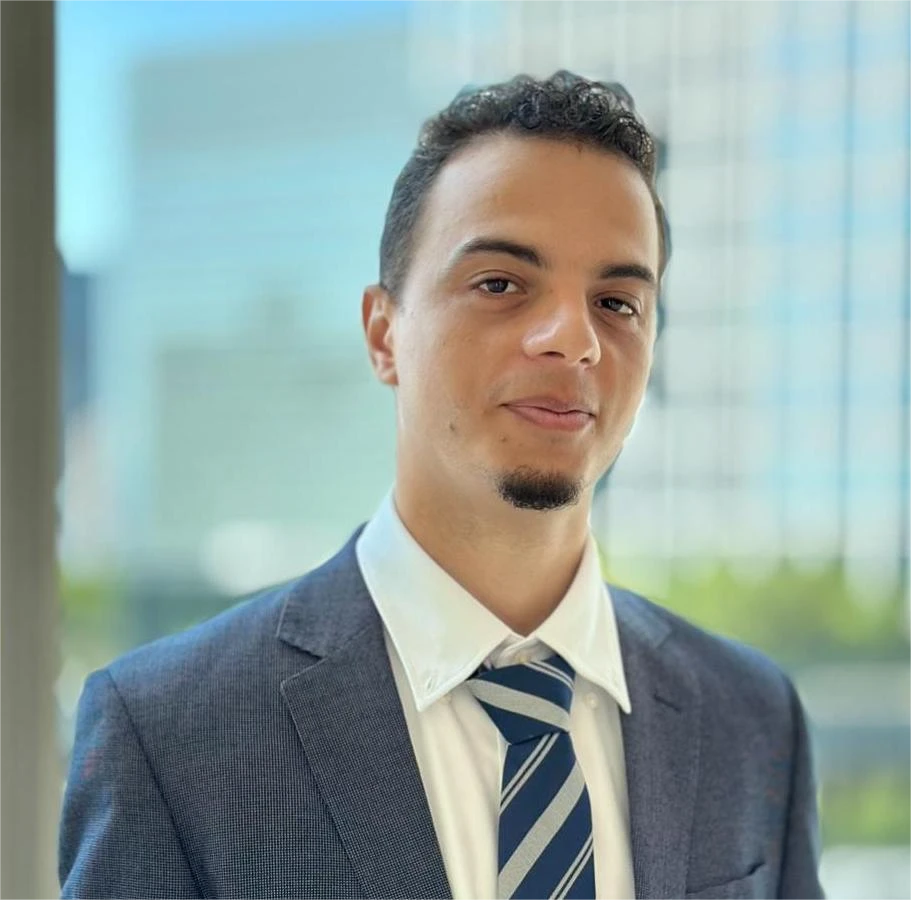
A music critic and a researcher, Moujahid writes in-depth articles analyzing Moroccan and global hip-hop, blending insights from industry experts into compelling, well-rounded critiques. Beyond writing, he plays a pivotal role in shaping the magazine's editorial vision, refining its tone, structure, and style to elevate the reader's experience. As the lead editor, Moujahid meticulously oversees and polishes nearly all published articles, ensuring the magazine maintains its reputation as a trusted and influential voice in music journalism.
View all posts
